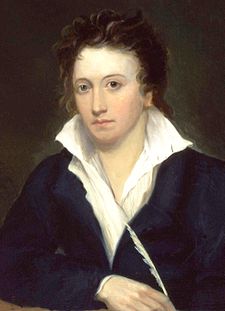
Julian And Maddalo. A Conversation Poem Rhyme Scheme and Analysis
Rhyme Scheme: AABBCCDDEEEFGHHIIJJK LMMNNOOOOPPQQRAIMSSA AIITTAAOOOOOOAAIIPPU UAVOOMMOOWMMMOOMMXXY ZQQOA2B2B2C2C2D2D2B2 B2AMAA2B2B2AAE2E2E2O OA2MAAMMMAAAF2F2WIB2 B2AAAMG2G2AAMMAAB2B2 IIAMF2F2OOH2H2D2D2II OOAAAOOOOIII2I2H2H2I 2IMMAAAAH2H2A2MAA2OO OOAMWWIOOA2OOOMAIIAA A2I2AAOOI2I2WIA2H2II I2I2B2B2I2I2WIMMH2H2 OOMMIIQQAAOOH2H2MMG2 G2AI2B2B2OOMMF2F2I2I 2I2I2OOMA2QQIIB2B2B2 B2OOIAOOI2I2H2H2J2J2 OOOOOOB2B2K2K2I2I2L2 L2OOOO OOB2B2MMB2B2I2I2III2 I2OOB2B2OO AAI2I2B2B2MMI2I2G2G2 H2H2H2H2OI2OI2I2I2I2 AA OOOOI2I2AAOOOOB2B2QQ I2I2WI2B2B2B2B2OOI2I 2I2OOI2I2OOM2M2KB2N2 OOOAAO2O2OOI2I2MMB2B 2 OOOOOOB2AI2I2 H2H2B2B2OOI2I2I2I2I2 I2 OOI2I2OOMMOOOOOOOP2P 2MG2 MAAMMB2B2I2I2Q2Q2Q2G 2G2I2I2OOQQI2I2O AAI2I2MMR2R2OOOOI2 B2B2OOOOB2B2MM I2I2OOOOB2B2OOI2 KN2S2TOOB2B2I2I2OOH2 H2MMMM AAOOI2I2T2T2OOB2B2F2 F2AAKKOOG2G2MMI2I2OO B2B2WI2B2B2H2 B2B2I2I2OOOMMAAOOOOO OJ2J2OOOOOOOOOOAAOOO OI2I2I2QQOB2U2O2G2G2 I2I2OOAAB2B2B2I2OOAA V2V2 MOOI2I2I2 B2I2 A AAI2I2OOOOB2B2B2 I2I2| I rode one evening with Count Maddalo | A |
| Upon the bank of land which breaks the flow | A |
| Of Adria towards Venice a bare strand | B |
| Of hillocks heaped from ever shifting sand | B |
| Matted with thistles and amphibious weeds | C |
| Such as from earth's embrace the salt ooze breeds | C |
| Is this an uninhabited sea side | D |
| Which the lone fisher when his nets are dried | D |
| Abandons and no other object breaks | E |
| The waste but one dwarf tree and some few stakes | E |
| Broken and unrepaired and the tide makes | E |
| A narrow space of level sand thereon | F |
| Where 'twas our wont to ride while day went down | G |
| This ride was my delight I love all waste | H |
| And solitary places where we taste | H |
| The pleasure of believing what we see | I |
| Is boundless as we wish our souls to be | I |
| And such was this wide ocean and this shore | J |
| More barren than its billows and yet more | J |
| Than all with a remembered friend I love | K |
| To ride as then I rode for the winds drove | L |
| The living spray along the sunny air | M |
| Into our faces the blue heavens were bare | M |
| Stripped to their depths by the awakening north | N |
| And from the waves sound like delight broke forth | N |
| Harmonising with solitude and sent | O |
| Into our hearts aereal merriment | O |
| So as we rode we talked and the swift thought | O |
| Winging itself with laughter lingered not | O |
| But flew from brain to brain such glee was ours | P |
| Charged with light memories of remembered hours | P |
| None slow enough for sadness till we came | Q |
| Homeward which always makes the spirit tame | Q |
| This day had been cheerful but cold and now | R |
| The sun was sinking and the wind also | A |
| Our talk grew somewhat serious as may be | I |
| Talk interrupted with such raillery | M |
| As mocks itself because it cannot scorn | S |
| The thoughts it would extinguish 'twas forlorn | S |
| Yet pleasing such as once so poets tell | A |
| The devils held within the dales of Hell | A |
| Concerning God freewill and destiny | I |
| Of all that earth has been or yet may be | I |
| All that vain men imagine or believe | T |
| Or hope can paint or suffering may achieve | T |
| We descanted and I for ever still | A |
| Is it not wise to make the best of ill | A |
| Argued against despondency but pride | O |
| Made my companion take the darker side | O |
| The sense that he was greater than his kind | O |
| Had struck methinks his eagle spirit blind | O |
| By gazing on its own exceeding light | O |
| Meanwhile the sun paused ere it should alight | O |
| Over the horizon of the mountains Oh | A |
| How beautiful is sunset when the glow | A |
| Of Heaven descends upon a land like thee | I |
| Thou Paradise of exiles Italy | I |
| Thy mountains seas and vineyards and the towers | P |
| Of cities they encircle it was ours | P |
| To stand on thee beholding it and then | U |
| Just where we had dismounted the Count's men | U |
| Were waiting for us with the gondola | A |
| As those who pause on some delightful way | V |
| Though bent on pleasant pilgrimage we stood | O |
| Looking upon the evening and the flood | O |
| Which lay between the city and the shore | M |
| Paved with the image of the sky the hoar | M |
| And aery Alps towards the North appeared | O |
| Through mist an heaven sustaining bulwark reared | O |
| Between the East and West and half the sky | W |
| Was roofed with clouds of rich emblazonry | M |
| Dark purple at the zenith which still grew | M |
| Down the steep West into a wondrous hue | M |
| Brighter than burning gold even to the rent | O |
| Where the swift sun yet paused in his descent | O |
| Among the many folded hills they were | M |
| Those famous Euganean hills which bear | M |
| As seen from Lido thro' the harbour piles | X |
| The likeness of a clump of peaked isles | X |
| And then as if the Earth and Sea had been | Y |
| Dissolved into one lake of fire were seen | Z |
| Those mountains towering as from waves of flame | Q |
| Around the vaporous sun from which there came | Q |
| The inmost purple spirit of light and made | O |
| Their very peaks transparent 'Ere it fade ' | A2 |
| Said my companion 'I will show you soon | B2 |
| A better station' so o'er the lagune | B2 |
| We glided and from that funereal bark | C2 |
| I leaned and saw the city and could mark | C2 |
| How from their many isles in evening's gleam | D2 |
| Its temples and its palaces did seem | D2 |
| Like fabrics of enchantment piled to Heaven | B2 |
| I was about to speak when 'We are even | B2 |
| Now at the point I meant ' said Maddalo | A |
| And bade the gondolieri cease to row | M |
| 'Look Julian on the west and listen well | A |
| If you hear not a deep and heavy bell ' | A2 |
| I looked and saw between us and the sun | B2 |
| A building on an island such a one | B2 |
| As age to age might add for uses vile | A |
| A windowless deformed and dreary pile | A |
| And on the top an open tower where hung | E2 |
| A bell which in the radiance swayed and swung | E2 |
| We could just hear its hoarse and iron tongue | E2 |
| The broad sun sunk behind it and it tolled | O |
| In strong and black relief 'What we behold | O |
| Shall be the madhouse and its belfry tower ' | A2 |
| Said Maddalo 'and ever at this hour | M |
| Those who may cross the water hear that bell | A |
| Which calls the maniacs each one from his cell | A |
| To vespers ' 'As much skill as need to pray | M |
| In thanks or hope for their dark lot have they | M |
| To their stern maker ' I replied 'O ho | M |
| You talk as in years past ' said Maddalo | A |
| ''Tis strange men change not You were ever still | A |
| Among Christ's flock a perilous infidel | A |
| A wolf for the meek lambs if you can't swim | F2 |
| Beware of Providence ' I looked on him | F2 |
| But the gay smile had faded in his eye | W |
| 'And such ' he cried 'is our mortality | I |
| And this must be the emblem and the sign | B2 |
| Of what should be eternal and divine | B2 |
| And like that black and dreary bell the soul | A |
| Hung in a heaven illumined tower must toll | A |
| Our thoughts and our desires to meet below | A |
| Round the rent heart and pray as madmen do | M |
| For what they know not till the night of death | G2 |
| As sunset that strange vision severeth | G2 |
| Our memory from itself and us from all | A |
| We sought and yet were baffled ' I recall | A |
| The sense of what he said although I mar | M |
| The force of his expressions The broad star | M |
| Of day meanwhile had sunk behind the hill | A |
| And the black bell became invisible | A |
| And the red tower looked gray and all between | B2 |
| The churches ships and palaces were seen | B2 |
| Huddled in gloom into the purple sea | I |
| The orange hues of heaven sunk silently | I |
| We hardly spoke and soon the gondola | A |
| Conveyed me to my lodging by the way | M |
| The following morn was rainy cold and dim | F2 |
| Ere Maddalo arose I called on him | F2 |
| And whilst I waited with his child I played | O |
| A lovelier toy sweet Nature never made | O |
| A serious subtle wild yet gentle being | H2 |
| Graceful without design and unforeseeing | H2 |
| With eyes Oh speak not of her eyes which seem | D2 |
| Twin mirrors of Italian Heaven yet gleam | D2 |
| With such deep meaning as we never see | I |
| But in the human countenance with me | I |
| She was a special favourite I had nursed | O |
| Her fine and feeble limbs when she came first | O |
| To this bleak world and she yet seemed to know | A |
| On second sight her ancient playfellow | A |
| Less changed than she was by six months or so | A |
| For after her first shyness was worn out | O |
| We sate there rolling billiard balls about | O |
| When the Count entered Salutations past | O |
| 'The word you spoke last night might well have cast | O |
| A darkness on my spirit if man be | I |
| The passive thing you say I should not see | I |
| Much harm in the religions and old saws | I2 |
| Tho' I may never own such leaden laws | I2 |
| Which break a teachless nature to the yoke | H2 |
| Mine is another faith ' thus much I spoke | H2 |
| And noting he replied not added 'See | I2 |
| This lovely child blithe innocent and free | I |
| She spends a happy time with little care | M |
| While we to such sick thoughts subjected are | M |
| As came on you last night It is our will | A |
| That thus enchains us to permitted ill | A |
| We might be otherwise we might be all | A |
| We dream of happy high majestical | A |
| Where is the love beauty and truth we seek | H2 |
| But in our mind and if we were not weak | H2 |
| Should we be less in deed than in desire ' | A2 |
| 'Ay if we were not weak and we aspire | M |
| How vainly to be strong ' said Maddalo | A |
| 'You talk Utopia ' 'It remains to know ' | A2 |
| I then rejoined 'and those who try may find | O |
| How strong the chains are which our spirit bind | O |
| Brittle perchance as straw We are assured | O |
| Much may be conquered much may be endured | O |
| Of what degrades and crushes us We know | A |
| That we have power over ourselves to do | M |
| And suffer what we know not till we try | W |
| But something nobler than to live and die | W |
| So taught those kings of old philosophy | I |
| Who reigned before Religion made men blind | O |
| And those who suffer with their suffering kind | O |
| Yet feel their faith religion ' 'My dear friend ' | A2 |
| Said Maddalo 'my judgement will not bend | O |
| To your opinion though I think you might | O |
| Make such a system refutation tight | O |
| As far as words go I knew one like you | M |
| Who to this city came some months ago | A |
| With whom I argued in this sort and he | I |
| Is now gone mad and so he answered me | I |
| Poor fellow but if you would like to go | A |
| We'll visit him and his wild talk will show | A |
| How vain are such aspiring theories ' | A2 |
| 'I hope to prove the induction otherwise | I2 |
| And that a want of that true theory still | A |
| Which seeks a soul of goodness in things ill | A |
| Or in himself or others has thus bowed | O |
| His being there are some by nature proud | O |
| Who patient in all else demand but this | I2 |
| To love and be beloved with gentleness | I2 |
| And being scorned what wonder if they die | W |
| Some living death this is not destiny | I |
| But man's own wilful ill ' | A2 |
| As thus I spoke | H2 |
| Servants announced the gondola and we | I |
| Through the fast falling rain and high wrought sea | I |
| Sailed to the island where the madhouse stands | I2 |
| We disembarked The clap of tortured hands | I2 |
| Fierce yells and howlings and lamentings keen | B2 |
| And laughter where complaint had merrier been | B2 |
| Moans shrieks and curses and blaspheming prayers | I2 |
| Accosted us We climbed the oozy stairs | I2 |
| Into an old courtyard I heard on high | W |
| Then fragments of most touching melody | I |
| But looking up saw not the singer there | M |
| Through the black bars in the tempestuous air | M |
| I saw like weeds on a wrecked palace growing | H2 |
| Long tangled locks flung wildly forth and flowing | H2 |
| Of those who on a sudden were beguiled | O |
| Into strange silence and looked forth and smiled | O |
| Hearing sweet sounds Then I 'Methinks there were | M |
| A cure of these with patience and kind care | M |
| If music can thus move but what is he | I |
| Whom we seek here ' 'Of his sad history | I |
| I know but this ' said Maddalo 'he came | Q |
| To Venice a dejected man and fame | Q |
| Said he was wealthy or he had been so | A |
| Some thought the loss of fortune wrought him woe | A |
| But he was ever talking in such sort | O |
| As you do far more sadly he seemed hurt | O |
| Even as a man with his peculiar wrong | H2 |
| To hear but of the oppression of the strong | H2 |
| Or those absurd deceits I think with you | M |
| In some respects you know which carry through | M |
| The excellent impostors of this earth | G2 |
| When they outface detection he had worth | G2 |
| Poor fellow but a humorist in his way' | A |
| 'Alas what drove him mad ' 'I cannot say | I2 |
| A lady came with him from France and when | B2 |
| She left him and returned he wandered then | B2 |
| About yon lonely isles of desert sand | O |
| Till he grew wild he had no cash or land | O |
| Remaining the police had brought him here | M |
| Some fancy took him and he would not bear | M |
| Removal so I fitted up for him | F2 |
| Those rooms beside the sea to please his whim | F2 |
| And sent him busts and books and urns for flowers | I2 |
| Which had adorned his life in happier hours | I2 |
| And instruments of music you may guess | I2 |
| A stranger could do little more or less | I2 |
| For one so gentle and unfortunate | O |
| And those are his sweet strains which charm the weight | O |
| From madmen's chains and make this Hell appear | M |
| A heaven of sacred silence hushed to hear ' | A2 |
| 'Nay this was kind of you he had no claim | Q |
| As the world says' 'None but the very same | Q |
| Which I on all mankind were I as he | I |
| Fallen to such deep reverse his melody | I |
| Is interrupted now we hear the din | B2 |
| Of madmen shriek on shriek again begin | B2 |
| Let us now visit him after this strain | B2 |
| He ever communes with himself again | B2 |
| And sees nor hears not any ' Having said | O |
| These words we called the keeper and he led | O |
| To an apartment opening on the sea | I |
| There the poor wretch was sitting mournfully | A |
| Near a piano his pale fingers twined | O |
| One with the other and the ooze and wind | O |
| Rushed through an open casement and did sway | I2 |
| His hair and starred it with the brackish spray | I2 |
| His head was leaning on a music book | H2 |
| And he was muttering and his lean limbs shook | H2 |
| His lips were pressed against a folded leaf | J2 |
| In hue too beautiful for health and grief | J2 |
| Smiled in their motions as they lay apart | O |
| As one who wrought from his own fervid heart | O |
| The eloquence of passion soon he raised | O |
| His sad meek face and eyes lustrous and glazed | O |
| And spoke sometimes as one who wrote and thought | O |
| His words might move some heart that heeded not | O |
| If sent to distant lands and then as one | B2 |
| Reproaching deeds never to be undone | B2 |
| With wondering self compassion then his speech | K2 |
| Was lost in grief and then his words came each | K2 |
| Unmodulated cold expressionless | I2 |
| But that from one jarred accent you might guess | I2 |
| It was despair made them so uniform | L2 |
| And all the while the loud and gusty storm | L2 |
| Hissed through the window and we stood behind | O |
| Stealing his accents from the envious wind | O |
| Unseen I yet remember what he said | O |
| Distinctly such impression his words made | O |
| - | |
| 'Month after month ' he cried 'to bear this load | O |
| And as a jade urged by the whip and goad | O |
| To drag life on which like a heavy chain | B2 |
| Lengthens behind with many a link of pain | B2 |
| And not to speak my grief O not to dare | M |
| To give a human voice to my despair | M |
| But live and move and wretched thing smile on | B2 |
| As if I never went aside to groan | B2 |
| And wear this mask of falsehood even to those | I2 |
| Who are most dear not for my own repose | I2 |
| Alas no scorn or pain or hate could be | I |
| So heavy as that falsehood is to me | I |
| But that I cannot bear more altered faces | I2 |
| Than needs must be more changed and cold embraces | I2 |
| More misery disappointment and mistrust | O |
| To own me for their father Would the dust | O |
| Were covered in upon my body now | B2 |
| That the life ceased to toil within my brow | B2 |
| And then these thoughts would at the least be fled | O |
| Let us not fear such pain can vex the dead | O |
| - | |
| 'What Power delights to torture us I know | A |
| That to myself I do not wholly owe | A |
| What now I suffer though in part I may | I2 |
| Alas none strewed sweet flowers upon the way | I2 |
| Where wandering heedlessly I met pale Pain | B2 |
| My shadow which will leave me not again | B2 |
| If I have erred there was no joy in error | M |
| But pain and insult and unrest and terror | M |
| I have not as some do bought penitence | I2 |
| With pleasure and a dark yet sweet offence | I2 |
| For then if love and tenderness and truth | G2 |
| Had overlived hope's momentary youth | G2 |
| My creed should have redeemed me from repenting | H2 |
| But loathed scorn and outrage unrelenting | H2 |
| Met love excited by far other seeming | H2 |
| Until the end was gained as one from dreaming | H2 |
| Of sweetest peace I woke and found my state | O |
| Such as it is | I2 |
| 'O Thou my spirit's mate | O |
| Who for thou art compassionate and wise | I2 |
| Wouldst pity me from thy most gentle eyes | I2 |
| If this sad writing thou shouldst ever see | I2 |
| My secret groans must be unheard by thee | I2 |
| Thou wouldst weep tears bitter as blood to know | A |
| Thy lost friend's incommunicable woe | A |
| - | |
| 'Ye few by whom my nature has been weighed | O |
| In friendship let me not that name degrade | O |
| By placing on your hearts the secret load | O |
| Which crushes mine to dust There is one road | O |
| To peace and that is truth which follow ye | I2 |
| Love sometimes leads astray to misery | I2 |
| Yet think not though subdued and I may well | A |
| Say that I am subdued that the full Hell | A |
| Within me would infect the untainted breast | O |
| Of sacred nature with its own unrest | O |
| As some perverted beings think to find | O |
| In scorn or hate a medicine for the mind | O |
| Which scorn or hate have wounded O how vain | B2 |
| The dagger heals not but may rend again | B2 |
| Believe that I am ever still the same | Q |
| In creed as in resolve and what may tame | Q |
| My heart must leave the understanding free | I2 |
| Or all would sink in this keen agony | I2 |
| Nor dream that I will join the vulgar cry | W |
| Or with my silence sanction tyranny | I2 |
| Or seek a moment's shelter from my pain | B2 |
| In any madness which the world calls gain | B2 |
| Ambition or revenge or thoughts as stern | B2 |
| As those which make me what I am or turn | B2 |
| To avarice or misanthropy or lust | O |
| Heap on me soon O grave thy welcome dust | O |
| Till then the dungeon may demand its prey | I2 |
| And Poverty and Shame may meet and say | I2 |
| Halting beside me on the public way | I2 |
| That love devoted youth is ours let's sit | O |
| Beside him he may live some six months yet | O |
| Or the red scaffold as our country bends | I2 |
| May ask some willing victim or ye friends | I2 |
| May fall under some sorrow which this heart | O |
| Or hand may share or vanquish or avert | O |
| I am prepared in truth with no proud joy | M2 |
| To do or suffer aught as when a boy | M2 |
| I did devote to justice and to love | K |
| My nature worthless now | B2 |
| 'I must remove | N2 |
| A veil from my pent mind 'Tis torn aside | O |
| O pallid as Death's dedicated bride | O |
| Thou mockery which art sitting by my side | O |
| Am I not wan like thee at the grave's call | A |
| I haste invited to thy wedding ball | A |
| To greet the ghastly paramour for whom | O2 |
| Thou hast deserted me and made the tomb | O2 |
| Thy bridal bed But I beside your feet | O |
| Will lie and watch ye from my winding sheet | O |
| Thus wide awake tho' dead yet stay O stay | I2 |
| Go not so soon I know not what I say | I2 |
| Hear but my reasons I am mad I fear | M |
| My fancy is o'erwrought thou art not here | M |
| Pale art thou 'tis most true but thou art gone | B2 |
| Thy work is finished I am left alone | B2 |
| - | |
| 'Nay was it I who wooed thee to this breast | O |
| Which like a serpent thou envenomest | O |
| As in repayment of the warmth it lent | O |
| Didst thou not seek me for thine own content | O |
| Did not thy love awaken mine I thought | O |
| That thou wert she who said You kiss me not | O |
| Ever I fear you do not love me now | B2 |
| In truth I loved even to my overthrow | A |
| Her who would fain forget these words but they | I2 |
| Cling to her mind and cannot pass away | I2 |
| - | |
| 'You say that I am proud that when I speak | H2 |
| My lip is tortured with the wrongs which break | H2 |
| The spirit it expresses Never one | B2 |
| Humbled himself before as I have done | B2 |
| Even the instinctive worm on which we tread | O |
| Turns though it wound not then with prostrate head | O |
| Sinks in the dusk and writhes like me and dies | I2 |
| No wears a living death of agonies | I2 |
| As the slow shadows of the pointed grass | I2 |
| Mark the eternal periods his pangs pass | I2 |
| Slow ever moving making moments be | I2 |
| As mine seem each an immortality | I2 |
| - | |
| 'That you had never seen me never heard | O |
| My voice and more than all had ne'er endured | O |
| The deep pollution of my loathed embrace | I2 |
| That your eyes ne'er had lied love in my face | I2 |
| That like some maniac monk I had torn out | O |
| The nerves of manhood by their bleeding root | O |
| With mine own quivering fingers so that ne'er | M |
| Our hearts had for a moment mingled there | M |
| To disunite in horror these were not | O |
| With thee like some suppressed and hideous thought | O |
| Which flits athwart our musings but can find | O |
| No rest within a pure and gentle mind | O |
| Thou sealedst them with many a bare broad word | O |
| And searedst my memory o'er them for I heard | O |
| And can forget not they were ministered | O |
| One after one those curses Mix them up | P2 |
| Like self destroying poisons in one cup | P2 |
| And they will make one blessing which thou ne'er | M |
| Didst imprecate for on me death | G2 |
| - | |
| 'It were | M |
| A cruel punishment for one most cruel | A |
| If such can love to make that love the fuel | A |
| Of the mind's hell hate scorn remorse despair | M |
| But ME whose heart a stranger's tear might wear | M |
| As water drops the sandy fountain stone | B2 |
| Who loved and pitied all things and could moan | B2 |
| For woes which others hear not and could see | I2 |
| The absent with the glance of phantasy | I2 |
| And with the poor and trampled sit and weep | Q2 |
| Following the captive to his dungeon deep | Q2 |
| ME who am as a nerve o'er which do creep | Q2 |
| The else unfelt oppressions of this earth | G2 |
| And was to thee the flame upon thy hearth | G2 |
| When all beside was cold that thou on me | I2 |
| Shouldst rain these plagues of blistering agony | I2 |
| Such curses are from lips once eloquent | O |
| With love's too partial praise let none relent | O |
| Who intend deeds too dreadful for a name | Q |
| Henceforth if an example for the same | Q |
| They seek for thou on me lookedst so and so | I2 |
| And didst speak thus and thus I live to show | I2 |
| How much men bear and die not | O |
| - | |
| 'Thou wilt tell | A |
| With the grimace of hate how horrible | A |
| It was to meet my love when thine grew less | I2 |
| Thou wilt admire how I could e'er address | I2 |
| Such features to love's work this taunt though true | M |
| For indeed Nature nor in form nor hue | M |
| Bestowed on me her choicest workmanship | R2 |
| Shall not be thy defence for since thy lip | R2 |
| Met mine first years long past since thine eye kindled | O |
| With soft fire under mine I have not dwindled | O |
| Nor changed in mind or body or in aught | O |
| But as love changes what it loveth not | O |
| After long years and many trials | I2 |
| - | |
| 'How vain | B2 |
| Are words I thought never to speak again | B2 |
| Not even in secret not to mine own heart | O |
| But from my lips the unwilling accents start | O |
| And from my pen the words flow as I write | O |
| Dazzling my eyes with scalding tears my sight | O |
| Is dim to see that charactered in vain | B2 |
| On this unfeeling leaf which burns the brain | B2 |
| And eats into it blotting all things fair | M |
| And wise and good which time had written there | M |
| - | |
| 'Those who inflict must suffer for they see | I2 |
| The work of their own hearts and this must be | I2 |
| Our chastisement or recompense O child | O |
| I would that thine were like to be more mild | O |
| For both our wretched sakes for thine the most | O |
| Who feelest already all that thou hast lost | O |
| Without the power to wish it thine again | B2 |
| And as slow years pass a funereal train | B2 |
| Each with the ghost of some lost hope or friend | O |
| Following it like its shadow wilt thou bend | O |
| No thought on my dead memory | I2 |
| - | |
| 'Alas love | K |
| Fear me not against thee I would not move | N2 |
| A finger in despite Do I not live | S2 |
| That thou mayst have less bitter cause to grieve | T |
| I give thee tears for scorn and love for hate | O |
| And that thy lot may be less desolate | O |
| Than his on whom thou tramplest I refrain | B2 |
| From that sweet sleep which medicines all pain | B2 |
| Then when thou speakest of me never say | I2 |
| He could forgive not Here I cast away | I2 |
| All human passions all revenge all pride | O |
| I think speak act no ill I do but hide | O |
| Under these words like embers every spark | H2 |
| Of that which has consumed me quick and dark | H2 |
| The grave is yawning as its roof shall cover | M |
| My limbs with dust and worms under and over | M |
| So let Oblivion hide this grief the air | M |
| Closes upon my accents as despair | M |
| Upon my heart let death upon despair ' | - |
| - | |
| He ceased and overcome leant back awhile | A |
| Then rising with a melancholy smile | A |
| Went to a sofa and lay down and slept | O |
| A heavy sleep and in his dreams he wept | O |
| And muttered some familiar name and we | I2 |
| Wept without shame in his society | I2 |
| I think I never was impressed so much | T2 |
| The man who were not must have lacked a touch | T2 |
| Of human nature then we lingered not | O |
| Although our argument was quite forgot | O |
| But calling the attendants went to dine | B2 |
| At Maddalo's yet neither cheer nor wine | B2 |
| Could give us spirits for we talked of him | F2 |
| And nothing else till daylight made stars dim | F2 |
| And we agreed his was some dreadful ill | A |
| Wrought on him boldly yet unspeakable | A |
| By a dear friend some deadly change in love | K |
| Of one vowed deeply which he dreamed not of | K |
| For whose sake he it seemed had fixed a blot | O |
| Of falsehood on his mind which flourished not | O |
| But in the light of all beholding truth | G2 |
| And having stamped this canker on his youth | G2 |
| She had abandoned him and how much more | M |
| Might be his woe we guessed not he had store | M |
| Of friends and fortune once as we could guess | I2 |
| From his nice habits and his gentleness | I2 |
| These were now lost it were a grief indeed | O |
| If he had changed one unsustaining reed | O |
| For all that such a man might else adorn | B2 |
| The colours of his mind seemed yet unworn | B2 |
| For the wild language of his grief was high | W |
| Such as in measure were called poetry | I2 |
| And I remember one remark which then | B2 |
| Maddalo made He said 'Most wretched men | B2 |
| Are cradled into poetry by wrong | H2 |
| They learn in suffering what they teach in song ' | - |
| - | |
| If I had been an unconnected man | B2 |
| I from this moment should have formed some plan | B2 |
| Never to leave sweet Venice for to me | I2 |
| It was delight to ride by the lone sea | I2 |
| And then the town is silent one may write | O |
| Or read in gondolas by day or night | O |
| Having the little brazen lamp alight | O |
| Unseen uninterrupted books are there | M |
| Pictures and casts from all those statues fair | M |
| Which were twin born with poetry and all | A |
| We seek in towns with little to recall | A |
| Regrets for the green country I might sit | O |
| In Maddalo's great palace and his wit | O |
| And subtle talk would cheer the winter night | O |
| And make me know myself and the firelight | O |
| Would flash upon our faces till the day | O |
| Might dawn and make me wonder at my stay | O |
| But I had friends in London too the chief | J2 |
| Attraction here was that I sought relief | J2 |
| From the deep tenderness that maniac wrought | O |
| Within me 'twas perhaps an idle thought | O |
| But I imagined that if day by day | O |
| I watched him and but seldom went away | O |
| And studied all the beatings of his heart | O |
| With zeal as men study some stubborn art | O |
| For their own good and could by patience find | O |
| An entrance to the caverns of his mind | O |
| I might reclaim him from this dark estate | O |
| In friendships I had been most fortunate | O |
| Yet never saw I one whom I would call | A |
| More willingly my friend and this was all | A |
| Accomplished not such dreams of baseless good | O |
| Oft come and go in crowds or solitude | O |
| And leave no trace but what I now designed | O |
| Made for long years impression on my mind | O |
| The following morning urged by my affairs | I2 |
| I left bright Venice | I2 |
| After many years | I2 |
| And many changes I returned the name | Q |
| Of Venice and its aspect was the same | Q |
| But Maddalo was travelling far away | O |
| Among the mountains of Armenia | B2 |
| His dog was dead His child had now become | U2 |
| A woman such as it has been my doom | O2 |
| To meet with few a wonder of this earth | G2 |
| Where there is little of transcendent worth | G2 |
| Like one of Shakespeare's women kindly she | I2 |
| And with a manner beyond courtesy | I2 |
| Received her father's friend and when I asked | O |
| Of the lorn maniac she her memory tasked | O |
| And told as she had heard the mournful tale | A |
| 'That the poor sufferer's health began to fail | A |
| Two years from my departure but that then | B2 |
| The lady who had left him came again | B2 |
| Her mien had been imperious but she now | B2 |
| Looked meek perhaps remorse had brought her low | I2 |
| Her coming made him better and they stayed | O |
| Together at my father's for I played | O |
| As I remember with the lady's shawl | A |
| I might be six years old but after all | A |
| She left him ' 'Why her heart must have been tough | V2 |
| How did it end ' 'And was not this enough | V2 |
| They met they parted ' 'Child is there no more ' | - |
| 'Something within that interval which bore | M |
| The stamp of WHY they parted HOW they met | O |
| Yet if thine aged eyes disdain to wet | O |
| Those wrinkled cheeks with youth's remembered tears | I2 |
| Ask me no more but let the silent years | I2 |
| Be closed and cered over their memory | I2 |
| As yon mute marble where their corpses lie ' | - |
| I urged and questioned still she told me how | B2 |
| All happened but the cold world shall not know | I2 |
| - | |
| - | |
| CANCELLED FRAGMENTS OF JULIAN AND MADDALO | A |
| - | |
| 'What think you the dead are ' 'Why dust and clay | A |
| What should they be ' ''Tis the last hour of day | A |
| Look on the west how beautiful it is | I2 |
| Vaulted with radiant vapours The deep bliss | I2 |
| Of that unutterable light has made | O |
| The edges of that cloud fade | O |
| Into a hue like some harmonious thought | O |
| Wasting itself on that which it had wrought | O |
| Till it dies and between | B2 |
| The light hues of the tender pure serene | B2 |
| And infinite tranquillity of heaven | B2 |
| Ay beautiful but when not ' | - |
| - | |
| 'Perhaps the only comfort which remains | I2 |
| Is the unheeded clanking of my chains | I2 |
| The which I make and call it melody ' | - |
Percy Bysshe Shelley
(1)
Poem topics: , Print This Poem , Rhyme Scheme
Submit Spanish Translation
Submit German Translation
Submit French Translation
About Julian And Maddalo. A Conversation
Julian And Maddalo. A Conversation is a poem by Percy Bysshe Shelley. This page includes the poem text, poet information, related topics, comments, and similar poems.
Write your comment about Julian And Maddalo. A Conversation poem by Percy Bysshe Shelley
Best Poems of Percy Bysshe Shelley