The Borough. Letter Xviii: The Poor And Their Poem Rhyme Scheme and Analysis
Rhyme Scheme: ABBCCDEFGHI HJJKKL MMNNOOPPMMQQRRSSTTUV R UWR WRRIXYYZZRRA2A2B2B2C 2C2HHD2D2SSRR RRRCCRRRRE2E2RRRRRRF 2F2G2G2CCRRH2H2I2J2B RRYYSSF K2K2K2WWBBRRG2G2F2F2 R XJ2 XJJFGRROXRRBBL2L2YYR RDEG2G2G2CCD2D2R E2E2RRRRH2H2RRRRRRRR RRRRRRHHM2M2RRN2N2RR RRR| Dwellings | A |
| YES we've our Borough vices and I know | B |
| How far they spread how rapidly they grow | B |
| Yet think not virtue quits the busy place | C |
| Nor charity the virtues crown and grace | C |
| 'Our Poor how feed we ' To the most we give | D |
| A weekly dole and at their homes they live | E |
| Others together dwell but when they come | F |
| To the low roof they see a kind of home | G |
| A social people whom they've ever known | H |
| With their own thoughts and manners like their | I |
| - | |
| own | H |
| At her old house her dress her air the same | J |
| I see mine ancient Letter loving dame | J |
| 'Learning my child ' said she 'shall fame command | K |
| Learning is better worth than house or land | K |
| For houses perish lands are gone and spent | L |
| In learning then excel for that's most excellent ' | - |
| 'And what her learning ' 'Tis with awe to look | M |
| In every verse throughout one sacred book | M |
| From this her joy her hope her peace is sought | N |
| This she has learned and she is nobly taught | N |
| If aught of mine have gain'd the public ear | O |
| If RUTLAND deigns these humble Tales to hear | O |
| If critics pardon what my friends approved | P |
| Can I mine ancient Widow pass unmoved | P |
| Shall I not think what pains the matron took | M |
| When first I trembled o'er the gilded book | M |
| How she all patient both at eve and morn | Q |
| Her needle pointed at the guarding horn | Q |
| And how she soothed me when with study sad | R |
| I labour'd on to reach the final zad | R |
| Shall I not grateful still the dame survey | S |
| And ask the Muse the poet's debt to pay | S |
| Nor I alone who hold a trifler's pen | T |
| But half our bench of wealthy weighty men | T |
| Who rule our Borough who enforce our laws | U |
| They own the matron as the leading cause | V |
| And feel the pleasing debt and pay the just | R |
| - | |
| applause | U |
| To her own house is borne the week's supply | W |
| There she in credit lives there hopes in peace to | R |
| - | |
| die | W |
| With her a harmless Idiot we behold | R |
| Who hoards up silver shells for shining gold | R |
| These he preserves with unremitted care | I |
| To buy a seat and reign the Borough's mayor | X |
| Alas who could th' ambitious changeling tell | Y |
| That what he sought our rulers dared to sell | Y |
| Near these a Sailor in that hut of thatch | Z |
| A fish boat's cabin is its nearest match | Z |
| Dwells and the dungeon is to him a seat | R |
| Large as he wishes in his view complete | R |
| A lockless coffer and a lidless hutch | A2 |
| That hold his stores have room for twice as much | A2 |
| His one spare shirt long glass and iron box | B2 |
| Lie all in view no need has he for locks | B2 |
| Here he abides and as our strangers pass | C2 |
| He shows the shipping he presents the glass | C2 |
| He makes unask'd their ports and business known | H |
| And kindly heard turns quickly to his own | H |
| Of noble captains heroes every one | D2 |
| You might as soon have made the steeple run | D2 |
| And then his messmates if you're pleased to stay | S |
| He'll one by one the gallant souls display | S |
| And as the story verges to an end | R |
| He'll wind from deed to deed from friend to | R |
| - | |
| friend | R |
| He'll speak of those long lost the brave of old | R |
| As princes gen'rous and as heroes bold | R |
| Then will his feelings rise till you may trace | C |
| Gloom like a cloud frown o'er his manly face | C |
| And then a tear or two which sting his pride | R |
| These he will dash indignantly aside | R |
| And splice his tale now take him from his cot | R |
| And for some cleaner berth exchange his lot | R |
| How will he all that cruel aid deplore | E2 |
| His heart will break and he will fight no more | E2 |
| Here is the poor old Merchant he declined | R |
| And as they say is not in perfect mind | R |
| In his poor house with one poor maiden friend | R |
| Quiet he paces to his journey's end | R |
| Rich in his youth he traded and he fail'd | R |
| Again he tried again his fate prevail'd | R |
| His spirits low and his exertions small | F2 |
| He fell perforce he seem'd decreed to fall | F2 |
| Like the gay knight unapt to rise was he | G2 |
| But downward sank with sad alacrity | G2 |
| A borough place we gain'd him in disgrace | C |
| For gross neglect he quickly lost the place | C |
| But still he kept a kind of sullen pride | R |
| Striving his wants to hinder or to hide | R |
| At length compell'd by very need in grief | H2 |
| He wrote a proud petition for relief | H2 |
| 'He did suppose a fall like his would prove | I2 |
| Of force to wake their sympathy and love | J2 |
| Would make them feel the changes all may know | B |
| And stir them up a due regard to show ' | - |
| His suit was granted to an ancient maid | R |
| Relieved herself relief for him was paid | R |
| Here they together meet companions dwell | Y |
| And dismal tales of man's misfortunes tell | Y |
| ''Twas not a world for them God help them they | S |
| Could not deceive nor flatter nor betray | S |
| But there's a happy change a scene to come | F |
| And they God help them shall be soon at home ' | - |
| If these no pleasures nor enjoyments gain | K2 |
| Still none their spirits nor their speech restrain | K2 |
| They sigh at ease 'mid comforts they complain | K2 |
| The poor will grieve the poor will weep and sigh | W |
| Both when they know and when they know not why | W |
| But we our bounty with such care bestow | B |
| That cause for grieving they shall seldom know | B |
| Your Plan I love not with a number you | R |
| Have placed your poor your pitiable few | R |
| There in one house throughout their lives to be | G2 |
| The pauper palace which they hate to see | G2 |
| That giant building that high bounding wall | F2 |
| Those bare worn walks that lofty thund'ring hall | F2 |
| That large loud clock which tolls each dreaded | R |
| - | |
| hour | X |
| Those gates and locks and all those signs of | J2 |
| - | |
| power | X |
| It is a prison with a milder name | J |
| Which few inhabit without dread or shame | J |
| Be it agreed the Poor who hither come | F |
| Partake of plenty seldom found at home | G |
| That airy rooms and decent beds are meant | R |
| To give the poor by day by night content | R |
| That none are frighten'd once admitted here | O |
| By the stern looks of lordly Overseer | X |
| Grant that the Guardians of the place attend | R |
| And ready ear to each petition lend | R |
| That they desire the grieving poor to show | B |
| What ills they feel what partial acts they know | B |
| Not without promise nay desire to heal | L2 |
| Each wrong they suffer and each woe they feel | L2 |
| Alas their sorrows in their bosoms dwell | Y |
| They've much to suffer but have nought to tell | Y |
| They have no evil in the place to state | R |
| And dare not say it is the house they hate | R |
| They own there's granted all such place can give | D |
| But live repining for 'tis there they live | E |
| Grandsires are there who now no more must see | G2 |
| No more must nurse upon the trembling knee | G2 |
| The lost loved daughter's infant progeny | G2 |
| Like death's dread mansion this allows not place | C |
| For joyful meetings of a kindred race | C |
| Is not the matron there to whom the son | D2 |
| Was wont at each declining day to run | D2 |
| He when his toil was over gave delight | R |
| By lifting up the latch and one 'Good night ' | - |
| Yes she is here but nightly to her door | E2 |
| The son still lab'ring can return no more | E2 |
| Widows are here who in their huts were left | R |
| Of husbands children plenty ease bereft | R |
| Yet all that grief within the humble shed | R |
| Was soften'd softened in the humble bed | R |
| But here in all its force remains the grief | H2 |
| And not one softening object for relief | H2 |
| Who can when here the social neighbour meet | R |
| Who learn the story current in the street | R |
| Who to the long known intimate impart | R |
| Facts they have learn'd or feelings of the heart | R |
| They talk indeed but who can choose a friend | R |
| Or seek companions at their journey's end | R |
| Here are not those whom they when infants knew | R |
| Who with like fortune up to manhood grew | R |
| Who with like troubles at old age arrived | R |
| Who like themselves the joy of life survived | R |
| Whom time and custom so familiar made | R |
| That looks the meaning in the mind convey'd | R |
| But here to strangers words nor looks impart | R |
| The various movements of the suffering heart | R |
| Nor will that heart with those alliance own | H |
| To whom its views and hopes are all unknown | H |
| What if no grievous fears their lives annoy | M2 |
| Is it not worse no prospects to enjoy | M2 |
| 'Tis cheerless living in such bounded view | R |
| With nothing dreadful but with nothing new | R |
| Nothing to bring them joy to make them weep | N2 |
| The day itself is like the night asleep | N2 |
| Or on the sameness if a break be made | R |
| 'Tis by some pauper to his grave convey'd | R |
| By smuggled news from neighb'ring village told | R |
| News never true or truth a twelvemonth old | R |
| By some new | R |
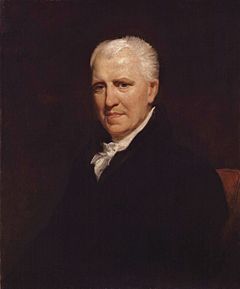
George Crabbe
(1)
Poem topics: , Print This Poem , Rhyme Scheme
Submit Spanish Translation
Submit German Translation
Submit French Translation
About The Borough. Letter Xviii: The Poor And Their
The Borough. Letter Xviii: The Poor And Their is a poem by George Crabbe. This page includes the poem text, poet information, related topics, comments, and similar poems.
Write your comment about The Borough. Letter Xviii: The Poor And Their poem by George Crabbe
Best Poems of George Crabbe