The Borough. Letter Xii: Players Poem Rhyme Scheme and Analysis
Rhyme Scheme: ABABBCBBC DEDEEFEEF GGH GIIJJKKD KLLMMNNBBOOEEPPQQDDR RDDSSDDRREERRH DDRRTTMMDDUUVVRRWWDD EEX EYYRRDDDDRRXXDDI DDDC DDDDRRDDKKDDZZA2A2UU RRB2B2CCEEC2C2RRKKD2 D2RRDDR E2E2F2F2EEDDG2G2H2H2 UUCCFFI2I2SSJ2K2L2L2 M2M2N2N2O2H2SSP2P2DD K| These are monarchs none respect | A |
| Heroes yet an humbled crew | B |
| Nobles whom the crowd correct | A |
| Wealthy men whom duns pursue | B |
| Beauties shrinking from the view | B |
| Of the day's detecting eye | C |
| Lovers who with much ado | B |
| Long forsaken damsels woo | B |
| And heave the ill feign'd sigh | C |
| - | |
| These are misers craving means | D |
| Of existence through the day | E |
| Famous scholars conning scenes | D |
| Of a dull bewildering play | E |
| Ragged beaux and misses gray | E |
| Whom the rabble praise and blame | F |
| Proud and mean and sad and gay | E |
| Toiling after ease are they | E |
| Infamous and boasting fame | F |
| - | |
| DRAWN by the annual call we now behold | G |
| Our Troop Dramatic heroes known of old | G |
| And those since last they march'd enlisted and | H |
| - | |
| enrolled | G |
| Mounted on hacks or borne in waggons some | I |
| The rest on foot the humbler brethren come | I |
| Three favour'd places an unequal time | J |
| Join to support this company sublime | J |
| Ours for the longer period see how light | K |
| Yon parties move their former friends in sight | K |
| Whose claims are all allow'd and friendship glads | D |
| - | |
| the night | K |
| Now public rooms shall sound with words divine | L |
| And private lodgings hear how heroes shine | L |
| No talk of pay shall yet on pleasure steal | M |
| But kindest welcome bless the friendly meal | M |
| While o'er the social jug and decent cheer | N |
| Shall be described the fortunes of the year | N |
| Peruse these bills and see what each can do | B |
| Behold the prince the slave the monk the Jew | B |
| Change but the garment and they'll all engage | O |
| To take each part and act in every age | O |
| Cull'd from all houses what a house are they | E |
| Swept from all barns our Borough critics say | E |
| But with some portion of a critic's ire | P |
| We all endure them there are some admire | P |
| They might have praise confined to farce alone | Q |
| Full well they grin they should not try to groan | Q |
| But then our servants' and our seamen's wives | D |
| Love all that rant and rapture as their lives | D |
| He who 'Squire Richard's part could well sustain | R |
| Finds as King Richard he must roar amain | R |
| 'My horse my horse ' Lo now to their abodes | D |
| Come lords and lovers empresses and gods | D |
| The master mover of these scenes has made | S |
| No trifling gain in this adventurous trade | S |
| Trade we may term it for he duly buys | D |
| Arms out of use and undirected eyes | D |
| These he instructs and guides them as he can | R |
| And vends each night the manufactured man | R |
| Long as our custom lasts they gladly stay | E |
| Then strike their tents like Tartars and away | E |
| The place grows bare where they too long remain | R |
| But grass will rise ere they return again | R |
| Children of Thespes welcome knights and | H |
| - | |
| queens | D |
| Counts barons beauties when before your scenes | D |
| And mighty monarchs thund'ring from your throne | R |
| Then step behind and all your glory's gone | R |
| Of crown and palace throne and guards bereft | T |
| The pomp is vanish'd and the care is left | T |
| Yet strong and lively is the joy they feel | M |
| When the full house secures the plenteous meal | M |
| Flatt'ring and flatter'd each attempts to raise | D |
| A brother's merits for a brother's praise | D |
| For never hero shows a prouder heart | U |
| Than he who proudly acts a hero's part | U |
| Nor without cause the boards we know can yield | V |
| Place for fierce contest like the tented field | V |
| Graceful to tread the stage to be in turn | R |
| The prince we honour and the knave we spurn | R |
| Bravely to bear the tumult of the crowd | W |
| The hiss tremendous and the censure loud | W |
| These are their parts and he who these sustains | D |
| Deserves some praise and profit for his pains | D |
| Heroes at least of gentler kind are they | E |
| Against whose swords no weeping widows pray | E |
| No blood their fury sheds nor havoc marks their | X |
| - | |
| way | E |
| Sad happy race soon raised and soon depress'd | Y |
| Your days all pass'd in jeopardy and jest | Y |
| Poor without prudence with afflictions vain | R |
| Not warn'd by misery not enrich'd by gain | R |
| Whom Justice pitying chides from place to place | D |
| A wandering careless wretched merry race | D |
| Whose cheerful looks assume and play the parts | D |
| Of happy rovers with repining hearts | D |
| Then cast off care and in the mimic pain | R |
| Of tragic woe feel spirits light and vain | R |
| Distress and hope the mind's the body's wear | X |
| The man's affliction and the actor's tear | X |
| Alternate times of fasting and excess | D |
| Are yours ye smiling children of distress | D |
| Slaves though ye be your wandering freedom | I |
| - | |
| seems | D |
| And with your varying views and restless schemes | D |
| Your griefs are transient as your joys are dreams | D |
| Yet keen those griefs ah what avail thy | C |
| - | |
| charms | D |
| Fair Juliet what that infant in thine arms | D |
| What those heroic lines thy patience learns | D |
| What all the aid thy present Romeo earns | D |
| Whilst thou art crowded in that lumbering wain | R |
| With all thy plaintive sisters to complain | R |
| Nor is there lack of labour To rehearse | D |
| Day after day poor scraps of prose and verse | D |
| To bear each other's spirit pride and spite | K |
| To hide in rant the heart ache of the night | K |
| To dress in gaudy patchwork and to force | D |
| The mind to think on the appointed course | D |
| This is laborious and may be defined | Z |
| The bootless labour of the thriftless mind | Z |
| There is a veteran Dame I see her stand | A2 |
| Intent and pensive with her book in hand | A2 |
| Awhile her thoughts she forces on her part | U |
| Then dwells on objects nearer to the heart | U |
| Across the room she paces gets her tone | R |
| And fits her features for the Danish throne | R |
| To night a queen I mark her motion slow | B2 |
| I hear her speech and Hamlet's mother know | B2 |
| Methinks 'tis pitiful to see her try | C |
| For strength of arms and energy of eye | C |
| With vigour lost and spirits worn away | E |
| Her pomp and pride she labours to display | E |
| And when awhile she's tried her part to act | C2 |
| To find her thoughts arrested by some fact | C2 |
| When struggles more and more severe are seen | R |
| In the plain actress than the Danish queen | R |
| At length she feels her part she finds delight | K |
| And fancies all the plaudits of the night | K |
| Old as she is she smiles at every speech | D2 |
| And thinks no youthful part beyond her reach | D2 |
| But as the mist of vanity again | R |
| Is blown away by press of present pain | R |
| Sad and in doubt she to her purse applies | D |
| For cause of comfort where no comfort lies | D |
| Then to her task she sighing turns again | R |
| 'Oh Hamlet thou hast cleft my heart in twain ' | - |
| And who that poor consumptive wither'd thing | E2 |
| Who strains her slender throat and strives to sing | E2 |
| Panting for breath and forced her voice to drop | F2 |
| And far unlike the inmate of the shop | F2 |
| Where she in youth and health alert and gay | E |
| Laugh'd off at night the labours of the day | E |
| With novels verses fancy's fertile powers | D |
| And sister converse pass'd the evening hours | D |
| But Cynthia's soul was soft her wishes strong | G2 |
| Her judgment weak and her conclusions wrong | G2 |
| The morning call and counter were her dread | H2 |
| And her contempt the needle and the thread | H2 |
| But when she read a gentle damsel's part | U |
| Her woe her wish she had them all by heart | U |
| At length the hero of the boards drew nigh | C |
| Who spake of love till sigh re echo'd sigh | C |
| He told in honey'd words his deathless flame | F |
| And she his own by tender vows became | F |
| Nor ring nor licence needed souls so fond | I2 |
| Alfonso's passion was his Cynthia's bond | I2 |
| And thus the simple girl to shame betray'd | S |
| Sinks to the grave forsaken and dismay'd | S |
| Sick without pity sorrowing without hope | J2 |
| See her the grief and scandal of the troop | K2 |
| A wretched martyr to a childish pride | L2 |
| Her woe insulted and her praise denied | L2 |
| Her humble talents though derided used | M2 |
| Her prospects lost her confidence abused | M2 |
| All that remains for she not long can brave | N2 |
| Increase of evils is an early grave | N2 |
| Ye gentle Cynthias of the shop take heed | O2 |
| What dreams you cherish and what books ye read | H2 |
| A decent sum had Peter Nottage made | S |
| By joining bricks to him a thriving trade | S |
| Of his employment master and his wife | P2 |
| This humble tradesman led a lordly life | P2 |
| The house of kings and heroes lack'd repairs | D |
| And Peter though reluctant served the Players | D |
| Connected thus he heard in way polite | K |
| 'Come Master Nottage see us play to night ' | - |
| At | - |
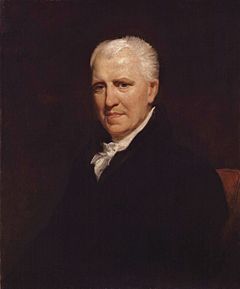
George Crabbe
(1)
Poem topics: , Print This Poem , Rhyme Scheme
Submit Spanish Translation
Submit German Translation
Submit French Translation
About The Borough. Letter Xii: Players
The Borough. Letter Xii: Players is a poem by George Crabbe. This page includes the poem text, poet information, related topics, comments, and similar poems.
Write your comment about The Borough. Letter Xii: Players poem by George Crabbe
Best Poems of George Crabbe