The Faerie Queene, Book Vi, Canto X Poem Rhyme Scheme and Analysis
Rhyme Scheme: ABCDDEFE GGGGGGGGG DAHAAGAGG EDEIDDDDD H DHDJJCJCC H GCGCCKCKK H AGAGGCGCC H GAGAAGAGG H AGAGGLGLL D DGDGGGGGG D GGGGGHGHH H AGAGGGGGG H BMBMMGMGG H CGCGGGGGG H GLGLLCLCG H GGGGGAGAA H HGHGGHGHH H GAGAADADD H HGAGGAGAA H BD| THE SIXTE BOOKE OF THE FAERIE QUEENE | A |
| Contayning | B |
| THE LEGEND OF S CALIDORE | C |
| OR OF COURTESIECANTO X | D |
| Calidore sees the Graces daunce | D |
| To Colins melody | E |
| The whiles his Pastorell is led | F |
| Into captivity | E |
| - | |
| - | |
| i | - |
| Who now does follow the foule Blatant Beast | G |
| Whilest Calidore does follow that faire Mayd | G |
| Unmyndfull of his vow and high beheast | G |
| Which by the Faery Queene was on him layd | G |
| That he should never leave nor be delayd | G |
| From chacing him till he had it attchieved | G |
| But now entrapt of love which him betrayd | G |
| He mindeth more how he may be relieved | G |
| With grace from her whose love his heart hath sore engrieved | G |
| - | |
| ii | - |
| - | |
| That from henceforth he meanes no more to sew | D |
| His former quest so full of toile and paine | A |
| Another quest another game in vew | H |
| He hath the guerdon of his love to gaine | A |
| With whom he myndes for ever to remaine | A |
| And set his rest amongst the rusticke sort | G |
| Rather then hunt still after shadowes vaine | A |
| Of courtly favour fed with light report | G |
| Of every blaste and sayling alwaies on the port | G |
| - | |
| iii | - |
| - | |
| Ne certes mote he greatly blamed be | E |
| From so high step to stoupe unto so low | D |
| For who had tasted once as oft did he | E |
| The happy peace which there doth overthow | I |
| And prov'd the perfect pleasures which doe grow | D |
| Amongst poore hyndes in hils in woods in dales | D |
| Would never more delight in painted show | D |
| Of such false blisse as there is set for stales | D |
| T'entrap unwary fooles in their eternall bales | D |
| - | |
| iv | H |
| - | |
| For what hath all that goodly glorious gaze | D |
| Like to one sight which Calidore did vew | H |
| The glaunce whereof their dimmed eies would daze | D |
| That never more they should endure the shew | J |
| Of that sunne shine that makes them looke askew | J |
| Ne ought in all that world of beauties rare | C |
| Save onely Glorianaes heavenly hew | J |
| To which what can compare can it compare | C |
| The which as commeth now by course I will declare | C |
| - | |
| v | H |
| - | |
| One day as he did raunge the fields abroad | G |
| Whilest his faire Pastorella was elsewhere | C |
| He chaunst to come far from all peoples troad | G |
| Unto a place whose pleasaunce did appere | C |
| To passe all others on the earth which were | C |
| For all that ever was by natures skill | K |
| Devized to worke delight was gathered there | C |
| And there by her were poured forth at fill | K |
| As if this to adorne she all the rest did pill | K |
| - | |
| vi | H |
| - | |
| It was an hill plaste in an open plaine | A |
| That round about was bordered with a wood | G |
| Of matchlesse hight that seem'd th'earth to disdaine | A |
| In which all trees of honour stately stood | G |
| And did all winter as in sommer bud | G |
| Spredding pavilions for the birds to bowre | C |
| Which in their lower braunches sung aloud | G |
| And in their tops the soring hauke did towre | C |
| Sitting like King of fowles in majesty and powre | C |
| - | |
| vii | H |
| - | |
| And at the foote thereof a gentle flud | G |
| His silver waves did softly tumble downe | A |
| Unmard with ragged mosse or filthy mud | G |
| Ne mote wylde beastes ne mote the ruder clowne | A |
| Thereto approch ne filth mote therein drowne | A |
| But Nymphes and Faeries bythe bancks did sit | G |
| In the woods shade which did the waters crowne | A |
| Keeping all noysome things away from it | G |
| And to the waters fall tuning their accents fit | G |
| - | |
| viii | H |
| - | |
| And on the top thereof a spacious plaine | A |
| Did spred it selfe to serve to all delight | G |
| Either to daunce when they to daunce would faine | A |
| Or else to course about their bases light | G |
| Ne ought there wanted which for pleasure might | G |
| Desired be or thence to banish bale | L |
| So pleasauntly the hill with equall hight | G |
| Did seeme to overlooke the lowly vale | L |
| Therefore it rightly cleeped was mount Acidale | L |
| - | |
| ix | D |
| - | |
| They say that Venus when she did dispose | D |
| Her selfe to pleasaunce used to resort | G |
| Unto this place and therein to repose | D |
| And rest her selfe as in a gladsome port | G |
| Or with the Graces there to play and sport | G |
| That even her owne Cytheron though in it | G |
| She used most to keepe her royall court | G |
| And in her soveraine Majesty to sit | G |
| She in regard thereof refusde and thought unfit | G |
| - | |
| x | D |
| - | |
| Unto this place when as the Elfin Knight | G |
| Approcht him seemed that the merry sound | G |
| Of a shrill pipe he playing heard on hight | G |
| And many feete fast thumping th'hollow ground | G |
| That through the woods their Eccho did rebound | G |
| He nigher drew to weete what mote it be | H |
| There he a troupe of Ladies dauncing found | G |
| Full merrily and making gladfull glee | H |
| And in the midst a Shepheard piping he did see | H |
| - | |
| xi | H |
| - | |
| He durst not enter into th'open greene | A |
| For dread of them unwares to be descryde | G |
| For breaking of their daunce if he were seene | A |
| But in the covert of the wood did byde | G |
| Beholding all yet of them unespyde | G |
| There he did see that pleased much his sight | G |
| That even he him selfe his eyes envyde | G |
| An hundred naked maidens lilly white | G |
| All raunged in a ring and dauncing in delight | G |
| - | |
| xii | H |
| - | |
| - | |
| All they without were raunged in a ring | B |
| And daunced round but in the midst of them | M |
| Three other Ladies did both daunce and sing | B |
| The whilest the rest them round about did hemme | M |
| And like a girlond did in compasse stemme | M |
| And in the middest of those same three was placed | G |
| Another Damzell as a precious gemme | M |
| Amidst a ring most richly well enchaced | G |
| That with her goodly presence all the rest much graced | G |
| - | |
| xiii | H |
| - | |
| - | |
| Looke how the Crowne which Ariadne wore | C |
| Upon her yvory forehead that same day | G |
| That Theseus her unto his bridale bore | C |
| When the bold Centaures made that bloudy fray | G |
| With the fierce Lapithes which did them dismay | G |
| Being now placed in the firmament | G |
| Through the bright heaven doth her beams display | G |
| And is unto the starres an ornament | G |
| Which round about her move in order excellent | G |
| - | |
| xiv | H |
| - | |
| - | |
| Such was the beauty of this goodly band | G |
| Whose sundry parts were here too long to tell | L |
| But she that in the midst of them did stand | G |
| Seem'd all the rest in beauty to excell | L |
| Crownd with a rosie girlond that right well | L |
| Did her beseeme And ever as the crew | C |
| About her daunst sweet flowres that far did smell | L |
| And fragrant odours they uppon her threw | C |
| But most of all those three did her with gifts endew | G |
| - | |
| xv | H |
| - | |
| - | |
| Those were the Graces daughters of delight | G |
| Handmaides of Venus which are wont to haunt | G |
| Uppon this hill and daunce there day and night | G |
| Those three to men all gifts of grace do graunt | G |
| And all that Venus in her selfe doth vaunt | G |
| Is borrowed of them But that faire one | A |
| That in the midst was placed paravaunt | G |
| Was she to whom that shepheard pypt alone | A |
| That made him pipe so merrily as never none | A |
| - | |
| xvi | H |
| - | |
| - | |
| She was to weete that jolly Shepheards lasse | H |
| Which piped there unto that merry rout | G |
| That jolly shepheard which there piped was | H |
| Poore Colin Clout who knowes not Colin Clout | G |
| He pypt apace whilest they him daunst about | G |
| Pype jolly shepheard pype thou now apace | H |
| Unto thy love that made thee low to lout | G |
| Thy love is present there with thee in place | H |
| Thy love is there advaunst to be another Grace | H |
| - | |
| xvii | H |
| - | |
| - | |
| Much wondred Calidore at this straunge sight | G |
| Whose like before his eye had never seene | A |
| And standing long astonished in spright | G |
| And rapt with pleasaunce wist not what to weene | A |
| Whether it were the traine of beauties Queene | A |
| Or Nymphes or Faeries or enchaunted show | D |
| With which his eyes mote have deluded beene | A |
| Therefore resolving what it was to know | D |
| Out of the wood he rose and toward them did go | D |
| - | |
| xviii | H |
| - | |
| - | |
| But soone as he appeared to their vew | H |
| They vanisht all away out of his sight | G |
| And cleane were gone which way he never knew | A |
| All save the shepheard who for fell despight | G |
| Of that displeasure broke his bagpipe quight | G |
| And made great mone for that unhappy turne | A |
| But Calidore though no lesse sory wight | G |
| For that mishap yet seeing him to mourne | A |
| Drew neare that he the truth of all by him mote learne | A |
| - | |
| xix | H |
| - | |
| - | |
| And first him greeting thus unto him spake | B |
| Haile jo | D |
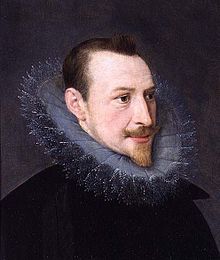
Edmund Spenser
(1)
Poem topics: , Print This Poem , Rhyme Scheme
Submit Spanish Translation
Submit German Translation
Submit French Translation
About The Faerie Queene, Book Vi, Canto X
The Faerie Queene, Book Vi, Canto X is a poem by Edmund Spenser. This page includes the poem text, poet information, related topics, comments, and similar poems.
Write your comment about The Faerie Queene, Book Vi, Canto X poem by Edmund Spenser
Best Poems of Edmund Spenser