A Hymn In Honour Of Beauty Poem Rhyme Scheme and Analysis
Rhyme Scheme: ABACCDD EFEFFGG AGAGGHH IJIJJKK LMNMOFP AQAQQRR AHAHHGG QGQGGJJ AQAQQQQ GGGGGHH QGQGGGG GSGSSGG QHQHHJJ GTGTTGG TQTQQGG AGAGGQQ AGAGGUU VGWGGHH QGQGGXX GGGGGGG GGGGGHH SHSHHGG JUJUUXX AGAGGAA GJGJJQQ STST| Ah whither Love wilt thou now carry me | A |
| What wontless fury dost thou now inspire | B |
| Into my feeble breast too full of thee | A |
| Whilst seeking to aslake thy raging fire | C |
| Thou in me kindlest much more great desire | C |
| And up aloft above my strength dost raise | D |
| The wondrous matter of my fire to praise | D |
| - | |
| That as I erst in praise of thine own name | E |
| So now in honour of thy mother dear | F |
| An honourable hymn I eke should frame | E |
| And with the brightness of her beauty clear | F |
| The ravish'd hearts of gazeful men might rear | F |
| To admiration of that heavenly light | G |
| From whence proceeds such soul enchanting might | G |
| - | |
| Thereto do thou great goddess queen of beauty | A |
| Mother of love and of all world's delight | G |
| Without whose sovereign grace and kindly duty | A |
| Nothing on earth seems fair to fleshly sight | G |
| Do thou vouchsafe with thy love kindling light | G |
| T' illuminate my dim and dulled eyne | H |
| And beautify this sacred hymn of thine | H |
| - | |
| That both to thee to whom I mean it most | I |
| And eke to her whose fair immortal beam | J |
| Hath darted fire into my feeble ghost | I |
| That now it wasted is with woes extreme | J |
| It may so please that she at length will stream | J |
| Some dew of grace into my withered heart | K |
| After long sorrow and consuming smart | K |
| - | |
| WHAT time this world's great Workmaster did cast | L |
| To make all things such as we now behold | M |
| It seems that he before his eyes had plac'd | N |
| A goodly pattern to whose perfect mould | M |
| He fashion'd them as comely as he could | O |
| That now so fair and seemly they appear | F |
| As nought may be amended anywhere | P |
| - | |
| That wondrous pattern wheresoe'er it be | A |
| Whether in earth laid up in secret store | Q |
| Or else in heaven that no man may it see | A |
| With sinful eyes for fear it to deflore | Q |
| Is perfect Beauty which all men adore | Q |
| Whose face and feature doth so much excel | R |
| All mortal sense that none the same may tell | R |
| - | |
| Thereof as every earthly thing partakes | A |
| Or more or less by influence divine | H |
| So it more fair accordingly it makes | A |
| And the gross matter of this earthly mine | H |
| Which clotheth it thereafter doth refine | H |
| Doing away the dross which dims the light | G |
| Of that fair beam which therein is empight | G |
| - | |
| For through infusion of celestial power | Q |
| The duller earth it quick'neth with delight | G |
| And lifeful spirits privily doth pour | Q |
| Through all the parts that to the looker's sight | G |
| They seem to please That is thy sovereign might | G |
| O Cyprian queen which flowing from the beam | J |
| Of thy bright star thou into them dost stream | J |
| - | |
| That is the thing which giveth pleasant grace | A |
| To all things fair that kindleth lively fire | Q |
| Light of thy lamp which shining in the face | A |
| Thence to the soul darts amorous desire | Q |
| And robs the hearts of those which it admire | Q |
| Therewith thou pointest thy son's poison'd arrow | Q |
| That wounds the life and wastes the inmost marrow | Q |
| - | |
| How vainly then do idle wits invent | G |
| That beauty is nought else but mixture made | G |
| Of colours fair and goodly temp'rament | G |
| Of pure complexions that shall quickly fade | G |
| And pass away like to a summer's shade | G |
| Or that it is but comely composition | H |
| Of parts well measur'd with meet disposition | H |
| - | |
| Hath white and red in it such wondrous power | Q |
| That it can pierce through th' eyes unto the heart | G |
| And therein stir such rage and restless stour | Q |
| As nought but death can stint his dolour's smart | G |
| Or can proportion of the outward part | G |
| Move such affection in the inward mind | G |
| That it can rob both sense and reason blind | G |
| - | |
| Why do not then the blossoms of the field | G |
| Which are array'd with much more orient hue | S |
| And to the sense most dainty odours yield | G |
| Work like impression in the looker's view | S |
| Or why do not fair pictures like power shew | S |
| In which oft times we nature see of art | G |
| Excell'd in perfect limning every part | G |
| - | |
| But ah believe me there is more than so | Q |
| That works such wonders in the minds of men | H |
| I that have often prov'd too well it know | Q |
| And whoso list the like assays to ken | H |
| Shall find by trial and confess it then | H |
| That beauty is not as fond men misdeem | J |
| An outward shew of things that only seem | J |
| - | |
| For that same goodly hue of white and red | G |
| With which the cheeks are sprinkled shall decay | T |
| And those sweet rosy leaves so fairly spread | G |
| Upon the lips shall fade and fall away | T |
| To that they were even to corrupted clay | T |
| That golden wire those sparkling stars so bright | G |
| Shall turn to dust and lose their goodly light | G |
| - | |
| But that fair lamp from whose celestial ray | T |
| That light proceeds which kindleth lovers' fire | Q |
| Shall never be extinguish'd nor decay | T |
| But when the vital spirits do expire | Q |
| Unto her native planet shall retire | Q |
| For it is heavenly born and cannot die | G |
| Being a parcel of the purest sky | G |
| - | |
| For when the soul the which derived was | A |
| At first out of that great immortal Spright | G |
| By whom all live to love whilom did pass | A |
| Down from the top of purest heaven's height | G |
| To be embodied here it then took light | G |
| And lively spirits from that fairest star | Q |
| Which lights the world forth from his fiery car | Q |
| - | |
| Which power retaining still or more or less | A |
| When she in fleshly seed is eft enraced | G |
| Through every part she doth the same impress | A |
| According as the heavens have her graced | G |
| And frames her house in which she will be placed | G |
| Fit for herself adorning it with spoil | U |
| Of th' heavenly riches which she robb'd erewhile | U |
| - | |
| Thereof it comes that these fair souls which have | V |
| The most resemblance of that heavenly light | G |
| Frame to themselves most beautiful and brave | W |
| Their fleshly bower most fit for their delight | G |
| And the gross matter by a sovereign might | G |
| Tempers so trim that it may well be seen | H |
| A palace fit for such a virgin queen | H |
| - | |
| So every spirit as it is most pure | Q |
| And hath in it the more of heavenly light | G |
| So it the fairer body doth procure | Q |
| To habit in and it more fairly dight | G |
| With cheerful grace and amiable sight | G |
| For of the soul the body form doth take | X |
| For soul is form and doth the body make | X |
| - | |
| Therefore wherever that thou dost behold | G |
| A comely corpse with beauty fair endued | G |
| Know this for certain that the same doth hold | G |
| A beauteous soul with fair conditions thewed | G |
| Fit to receive the seed of virtue strewed | G |
| For all that fair is is by nature good | G |
| That is a sign to know the gentle blood | G |
| - | |
| Yet oft it falls that many a gentle mind | G |
| Dwells in deformed tabernacle drown'd | G |
| Either by chance against the course of kind | G |
| Or through unaptness in the substance found | G |
| Which it assumed of some stubborn ground | G |
| That will not yield unto her form's direction | H |
| But is deform'd with some foul imperfection | H |
| - | |
| And oft it falls ay me the more to rue | S |
| That goodly beauty albe heavenly born | H |
| Is foul abus'd and that celestial hue | S |
| Which doth the world with her delight adorn | H |
| Made but the bait of sin and sinners' scorn | H |
| Whilst every one doth seek and sue to have it | G |
| But every one doth seek but to deprave it | G |
| - | |
| Yet nath more is that fair beauty's blame | J |
| But theirs that do abuse it unto ill | U |
| Nothing so good but that through guilty shame | J |
| May be corrupt and wrested unto will | U |
| Natheless the soul is fair and beauteous still | U |
| However flesh e s fault it filthy make | X |
| For things immortal no corruption take | X |
| - | |
| But ye fair dames the world's dear ornaments | A |
| And lively images of heaven's light | G |
| Let not your beams with such disparagements | A |
| Be dimm'd and your bright glory dark'ned quite | G |
| But mindful still of your first country's sight | G |
| Do still preserve your first informed grace | A |
| Whose shadow yet shines in your beauteous face | A |
| - | |
| Loathe that foul blot that hellish firebrand | G |
| Disloyal lust fair beauty's foulest blame | J |
| That base affections which your ears would bland | G |
| Commend to you by love's abused name | J |
| But is indeed the bondslave of defame | J |
| Which will the garland of your glory mar | Q |
| And quench the light of your bright shining star | Q |
| - | |
| But gentle Love that loyal is and true | S |
| Will more illumine your resplendent ray | T |
| And add more brightness to your goodly hue | S |
| From light of his pure fire which by like way | T |
| Kindled of yours y | - |
Edmund Spenser
(1)
Poem topics: , Print This Poem , Rhyme Scheme
Submit Spanish Translation
Submit German Translation
Submit French Translation
About A Hymn In Honour Of Beauty
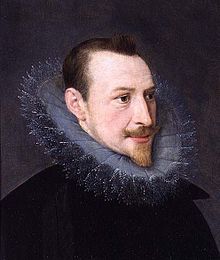
A Hymn In Honour Of Beauty is a poem by Edmund Spenser. This page includes the poem text, poet information, related topics, comments, and similar poems.
Write your comment about A Hymn In Honour Of Beauty poem by Edmund Spenser
Best Poems of Edmund Spenser