The Procreation Sonnets (1 - 17) Poem Rhyme Scheme and Analysis
Rhyme Scheme: A BABCDEDEFGHGCC A IJIKDLDLMN NOO A OPOPQCQCCRCRCC OCOCM M S T CC C UVUVWXTXOYOZOO A2OA2OCSCB2OCOCXX O OCC2D2C2E2F2OF2OG2B2 CH2CH2I2J2I2XPGPGB2 I2 K2OK2OOOOOI2I2 I2 COCOOPOPO O CC C OOOOI2OI2OL2M2L2M2 I2 ROROI2OI2OGGGGI2I2 I2 F2 X I2PI2XOOO| I | A |
| - | |
| From fairest creatures we desire increase | B |
| That thereby beauty's rose might never die | A |
| But as the riper should by time decease | B |
| His tender heir might bear his memory | C |
| But thou contracted to thine own bright eyes | D |
| Feed'st thy light's flame with self substantial fuel | E |
| Making a famine where abundance lies | D |
| Thy self thy foe to thy sweet self too cruel | E |
| Thou that art now the world's fresh ornament | F |
| And only herald to the gaudy spring | G |
| Within thine own bud buriest thy content | H |
| And tender churl mak'st waste in niggarding | G |
| Pity the world or else this glutton be | C |
| To eat the world's due by the grave and thee | C |
| - | |
| II | A |
| - | |
| - | |
| When forty winters shall besiege thy brow | I |
| And dig deep trenches in thy beauty's field | J |
| Thy youth's proud livery so gazed on now | I |
| Will be a totter'd weed of small worth held | K |
| Then being asked where all thy beauty lies | D |
| Where all the treasure of thy lusty days | L |
| To say within thine own deep sunken eyes | D |
| Were an all eating shame and thriftless praise | L |
| How much more praise deserv'd thy beauty's use | M |
| If thou couldst answer 'This fair child of mine | N |
| Shall sum my count and make my old excuse ' | - |
| Proving his beauty by succession thine | N |
| This were to be new made when thou art old | O |
| And see thy blood warm when thou feel'st it cold | O |
| - | |
| III | A |
| - | |
| Look in thy glass and tell the face thou viewest | O |
| Now is the time that face should form another | P |
| Whose fresh repair if now thou not renewest | O |
| Thou dost beguile the world unbless some mother | P |
| For where is she so fair whose unear'd womb | Q |
| Disdains the tillage of thy husbandry | C |
| Or who is he so fond will be the tomb | Q |
| Of his self love to stop posterity | C |
| Thou art thy mother's glass and she in thee | C |
| Calls back the lovely April of her prime | R |
| So thou through windows of thine age shalt see | C |
| Despite of wrinkles this thy golden time | R |
| But if thou live remember'd not to be | C |
| Die single and thine image dies with thee | C |
| - | |
| IV | - |
| - | |
| Unthrifty loveliness why dost thou spend | O |
| Upon thy self thy beauty's legacy | C |
| Nature's bequest gives nothing but doth lend | O |
| And being frank she lends to those are free | C |
| Then beauteous niggard why dost thou abuse | M |
| The bounteous largess given thee to give | - |
| Profitless usurer why dost thou use | M |
| So great a sum of sums yet canst not live | - |
| For having traffic with thy self alone | S |
| Thou of thy self thy sweet self dost deceive | - |
| Then how when nature calls thee to be gone | T |
| What acceptable audit canst thou leave | - |
| Thy unused beauty must be tombed with thee | C |
| Which used lives th' executor to be | C |
| - | |
| V | C |
| - | |
| Those hours that with gentle work did frame | U |
| The lovely gaze where every eye doth dwell | V |
| Will play the tyrants to the very same | U |
| And that unfair which fairly doth excel | V |
| For never resting time leads summer on | W |
| To hideous winter and confounds him there | X |
| Sap checked with frost and lusty leaves quite gone | T |
| Beauty o'er snowed and bareness every where | X |
| Then were not summer's distillation left | O |
| A liquid prisoner pent in walls of glass | Y |
| Beauty's effect with beauty were bereft | O |
| Nor it nor no remembrance what it was | Z |
| But flowers distill'd though they with winter meet | O |
| Leese but their show their substance still lives sweet | O |
| - | |
| VI | - |
| - | |
| Then let not winter's ragged hand deface | A2 |
| In thee thy summer ere thou be distilled | O |
| Make sweet some vial treasure thou some place | A2 |
| With beauty's treasure ere it be self killed | O |
| That use is not forbidden usury | C |
| Which happies those that pay the willing loan | S |
| That's for thy self to breed another thee | C |
| Or ten times happier be it ten for one | B2 |
| Ten times thy self were happier than thou art | O |
| If ten of thine ten times refigured thee | C |
| Then what could death do if thou shouldst depart | O |
| Leaving thee living in posterity | C |
| Be not self willed for thou art much too fair | X |
| To be death's conquest and make worms thine heir | X |
| - | |
| VII | - |
| - | |
| Lo in the orient when the gracious light | O |
| Lifts up his burning head each under eye | - |
| Doth homage to his new appearing sight | O |
| Serving with looks his sacred majesty | C |
| And having climbed the steep up heavenly hill | C2 |
| Resembling strong youth in his middle age | D2 |
| Yet mortal looks adore his beauty still | C2 |
| Attending on his golden pilgrimage | E2 |
| But when from highmost pitch with weary car | F2 |
| Like feeble age he reeleth from the day | O |
| The eyes 'fore duteous now converted are | F2 |
| From his low tract and look another way | O |
| So thou thyself outgoing in thy noon | G2 |
| Unlooked on diest unless thou get a son | B2 |
| - | |
| VIII | - |
| - | |
| Music to hear why hear'st thou music sadly | C |
| Sweets with sweets war not joy delights in joy | H2 |
| Why lov'st thou that which thou receiv'st not gladly | C |
| Or else receiv'st with pleasure thine annoy | H2 |
| If the true concord of well tuned sounds | I2 |
| By unions married do offend thine ear | J2 |
| They do but sweetly chide thee who confounds | I2 |
| In singleness the parts that thou shouldst bear | X |
| Mark how one string sweet husband to another | P |
| Strikes each in each by mutual ordering | G |
| Resembling sire and child and happy mother | P |
| Who all in one one pleasing note do sing | G |
| Whose speechless song being many seeming one | B2 |
| Sings this to thee 'Thou single wilt prove none ' | - |
| - | |
| IX | I2 |
| - | |
| Is it for fear to wet a widow's eye | - |
| That thou consum'st thy self in single life | - |
| Ah if thou issueless shalt hap to die | - |
| The world will wail thee like a makeless wife | - |
| The world will be thy widow and still weep | K2 |
| That thou no form of thee hast left behind | O |
| When every private widow well may keep | K2 |
| By children's eyes her husband's shape in mind | O |
| Look what an unthrift in the world doth spend | O |
| Shifts but his place for still the world enjoys it | O |
| But beauty's waste hath in the world an end | O |
| And kept unused the user so destroys it | O |
| No love toward others in that bosom sits | I2 |
| That on himself such murd'rous shame commits | I2 |
| - | |
| X | I2 |
| - | |
| For shame deny that thou bear'st love to any | C |
| Who for thy self art so unprovident | O |
| Grant if thou wilt thou art beloved of many | C |
| But that thou none lov'st is most evident | O |
| For thou art so possessed with murderous hate | O |
| That 'gainst thy self thou stick'st not to conspire | P |
| Seeking that beauteous roof to ruinate | O |
| Which to repair should be thy chief desire | P |
| O change thy thought that I may change my mind | O |
| Shall hate be fairer lodged than gentle love | - |
| Be as thy presence is gracious and kind | O |
| Or to thyself at least kind hearted prove | - |
| Make thee another self for love of me | C |
| That beauty still may live in thine or thee | C |
| - | |
| XI | C |
| - | |
| As fast as thou shalt wane so fast thou grow'st | O |
| In one of thine from that which thou departest | O |
| And that fresh blood which youngly thou bestow'st | O |
| Thou mayst call thine when thou from youth convertest | O |
| Herein lives wisdom beauty and increase | I2 |
| Without this folly age and cold decay | O |
| If all were minded so the times should cease | I2 |
| And threescore year would make the world away | O |
| Let those whom nature hath not made for store | L2 |
| Harsh featureless and rude barrenly perish | M2 |
| Look whom she best endow'd she gave the more | L2 |
| Which bounteous gift thou shouldst in bounty cherish | M2 |
| She carv'd thee for her seal and meant thereby | - |
| Thou shouldst print more not let that copy die | - |
| - | |
| XII | I2 |
| - | |
| When I do count the clock that tells the time | R |
| And see the brave day sunk in hideous night | O |
| When I behold the violet past prime | R |
| And sable curls all silvered o'er with white | O |
| When lofty trees I see barren of leaves | I2 |
| Which erst from heat did canopy the herd | O |
| And summer's green all girded up in sheaves | I2 |
| Borne on the bier with white and bristly beard | O |
| Then of thy beauty do I question make | G |
| That thou among the wastes of time must go | G |
| Since sweets and beauties do themselves forsake | G |
| And die as fast as they see others grow | G |
| And nothing 'gainst Time's scythe can make defence | I2 |
| Save breed to brave him when he takes thee hence | I2 |
| - | |
| XIII | I2 |
| - | |
| O that you were your self but love you are | F2 |
| No longer yours than you your self here live | - |
| Against this coming end you should prepare | X |
| And your sweet semblance to some other give | - |
| So should that beauty which you hold in lease | I2 |
| Find no determination then you were | P |
| Yourself again after yourself's decease | I2 |
| When your sweet issue your sweet form should bear | X |
| Who lets so fair a house fall to decay | O |
| Which husbandry in honour might uphold | O |
| Against the stormy gusts of winter's day | O |
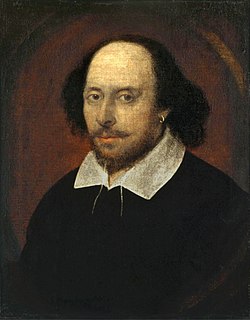
William Shakespeare
(1)
Poem topics: , Print This Poem , Rhyme Scheme
Submit Spanish Translation
Submit German Translation
Submit French Translation
About The Procreation Sonnets (1 - 17)
The Procreation Sonnets (1 - 17) is a poem by William Shakespeare. This page includes the poem text, poet information, related topics, comments, and similar poems.
Write your comment about The Procreation Sonnets (1 - 17) poem by William Shakespeare
Best Poems of William Shakespeare