The Poor Of The Borough. Letter Xxi: Abel Keene Poem Rhyme Scheme and Analysis
Rhyme Scheme: AABBCCDDE FFGGH IIJJ KLLMMNNLLOOPPQ RRSSTTUUSSPPPPVVPPWX OOOOP OPPYYPPPPPPPPOOZA2B2 B2OOC2C2PPAADDPPD2 POOE2 OC2C2PPOOPPPPOP OPPVVCCPPPPOOP DDPPO C2C2F2G2D2D2GGPPSSPP H2H2I2I2P I2D OOWWOOD2 PPWWH2H2H2H2J2J2H2H2 H2H2DDPPPPOOPPPPPPPP P| A QUIET simple man was Abel Keene | A |
| He meant no harm nor did he often mean | A |
| He kept a school of loud rebellious boys | B |
| And growing old grew nervous with the noise | B |
| When a kind merchant hired his useful pen | C |
| And made him happiest of accompting men | C |
| With glee he rose to every easy day | D |
| When half the labour brought him twice the pay | D |
| There were young clerks and there the | E |
| - | |
| merchant's son | F |
| Choice spirits all who wish'd him to be one | F |
| It must no question give them lively joy | G |
| Hopes long indulged to combat and destroy | G |
| At these they levelled all their skill and | H |
| - | |
| strength | I |
| He fell not quickly but he fell at length | I |
| They quoted books to him both bold and new | J |
| And scorn'd as fables all he held as true | J |
| 'Such monkish stories and such nursery lies ' | - |
| That he was struck with terror and surprise | K |
| 'What all his life had he the laws obey'd | L |
| Which they broke through and were not once afraid | L |
| Had he so long his evil passions check'd | M |
| And yet at last had nothing to expect | M |
| While they their lives in joy and pleasure led | N |
| And then had nothing at the end to dread | N |
| Was all his priest with so much zeal convey'd | L |
| A part a speech for which the man was paid | L |
| And were his pious books his solemn prayers | O |
| Not worth one tale of the admir'd Voltaire's | O |
| Then was it time while yet some years remain'd | P |
| To drink untroubled and to think unchain'd | P |
| And on all pleasues which his purse could give | Q |
| Freely to seize and while he lived to live ' | - |
| Much time he pass'd in this important strife | R |
| The bliss or bane of his remaining life | R |
| For converts all are made with care and grief | S |
| And pangs attend the birth of unbelief | S |
| Nor pass they soon with awe and fear he took | T |
| The flowery way and cast back many a look | T |
| The youths applauded much his wise design | U |
| With weighty reasoning o'er their evening wine | U |
| And much in private 'twould their mirth improve | S |
| To hear how Abel spake of life and love | S |
| To hear him own what grievous pains it cost | P |
| Ere the old saint was in the sinner lost | P |
| Ere his poor mind with every deed alarm'd | P |
| By wit was settled and by vice was charm'd | P |
| For Abel enter'd in his bold career | V |
| Like boys on ice with pleasure and with fear | V |
| Lingering yet longing for the joy he went | P |
| Repenting now now dreading to repent | P |
| With awkward pace and with himself at war | W |
| Far gone yet frighten'd that he went so far | X |
| Oft for his efforts he'd solicit praise | O |
| And then proceed with blunders and delays | O |
| The young more aptly passions' calls pursue | O |
| But age and weakness start at scenes so new | O |
| And tremble when they've done for all they dared | P |
| - | |
| to do | O |
| At length example Abel's dread removed | P |
| With small concern he sought the joys he loved | P |
| Not resting here he claim'd his share of fame | Y |
| And first their votary then their wit became | Y |
| His jest was bitter and his satire bold | P |
| When he his tales of formal brethren told | P |
| What time with pious neighbours he discuss'd | P |
| Their boasted treasure and their boundless trust | P |
| 'Such were our dreams ' the jovial elder cried | P |
| 'Awake and live ' his youthful friends replied | P |
| Now the gay clerk a modest drab despised | P |
| And clad him smartly as his friends advised | P |
| So fine a coat upon his back he threw | O |
| That not an alley boy old Abel knew | O |
| Broad polish'd buttons blazed that coat upon | Z |
| And just beneath the watch's trinkets shone | A2 |
| A splendid watch that pointed out the time | B2 |
| To fly from business and make free with crime | B2 |
| The crimson waistcoat and the silken hose | O |
| Rank'd the lean man among the Borough beaux | O |
| His raven hair he cropp'd with fierce disdain | C2 |
| And light elastic locks encased his brain | C2 |
| More pliant pupil who could hope to find | P |
| Se deck'd in person and so changed in mind | P |
| When Abel walked the streets with pleasent mien | A |
| He met his friends delighted to be seen | A |
| And when he rode along the public way | D |
| No beau so gaudy and no youth so gay | D |
| His pious sister now an ancient maid | P |
| For Abel fearing first in secret pray'd | P |
| Then thus in love and scorn her notions she | D2 |
| - | |
| convey'd | P |
| 'Alas my brother can I see thee pace | O |
| Hoodwink'd to hell and not lament thy case | O |
| Nor stretch my feeble hand to stop thy headlong | E2 |
| - | |
| race | O |
| Lo thou art bound a slave in Satan's chain | C2 |
| The righteous Abel turn'd the wretched Cain | C2 |
| His brother's blood against the murderer cried | P |
| Against thee thine unhappy suicide | P |
| Are all our pious nights and peaceful days | O |
| Our evening readings and our morning praise | O |
| Our spirits' comfort in the trials sent | P |
| Our hearts' rejoicings in the blessings lent | P |
| All that o'er grief a cheering influence shed | P |
| Are these for ever and for ever fled | P |
| 'When in the years gone by the trying years | O |
| When faith and hope had strife with wants and | P |
| - | |
| fears | O |
| Thy nerves have trembled till thou couldst not eat | P |
| Dress'd by this hand thy mess of simple meat | P |
| When grieved by fastings gall'd by fates severe | V |
| Slow pass'd the days of the successless year | V |
| Still in these gloomy hours my brother then | C |
| Had glorious views unseen by prosperous men | C |
| And when thy heart has felt its wish denied | P |
| What gracious texts hast thou to grief applied | P |
| Till thou hast enter'd in thine humble bed | P |
| By lofty hopes and heavenly musings fed | P |
| Then I have seen thy lively looks express | O |
| The spirit's comforts in the man's distress | O |
| 'Then didst thou cry exulting 'Yes 'tis fit | P |
| 'Tis meet and right my heart that we submit ' | - |
| And wilt thou Abel thy new pleasures weigh | D |
| Against such triumphs Oh repent and pray | D |
| 'What are thy pleasures with the gay to sit | P |
| And thy poor brain torment for awkward wit | P |
| All thy good thoughts thou hat'st them to | O |
| - | |
| restrain | C2 |
| And give a wicked pleasure to the vain | C2 |
| Thy long lean frame by fashion to attire | F2 |
| That lads may laugh and wantons may admire | G2 |
| To raise the mirth of boys and not to see | D2 |
| Unhappy maniac that they laugh at thee | D2 |
| 'These boyish follies which alone the boy | G |
| Can idly act or gracefully enjoy | G |
| Add new reproaches to thy fallen state | P |
| And make men scorn what they would only hate | P |
| 'What pains my brother dost thou take to prove | S |
| A taste for follies which thou canst not love | S |
| Why do thy stiffening limbs the steed bestride | P |
| That lads may laugh to see thou canst not ride | P |
| And why I feel the crimson tinge my cheek | H2 |
| Dost thou by night in Diamond Alley sneak | H2 |
| 'Farewell the parish will thy sister keep | I2 |
| Where she in peace shall pray and sing and sleep | I2 |
| Save when for thee she mourns thou wicked | P |
| - | |
| wandering sheep | I2 |
| When youth is fallen there's hope the young may | D |
| - | |
| rise | O |
| But fallen age for ever hopeless lies | O |
| Torn up by storms and placed in earth once more | W |
| The younger tree may sun and soil restore | W |
| But when the old and sapless trunk lies low | O |
| No care or soil can former life bestow | O |
| Reserved for burning is the worthless tree | D2 |
| And what O Abel is reserved for thee ' | - |
| These angry words our hero deeply felt | P |
| Though hard his heart and indisposed to melt | P |
| To gain relief he took a glass the more | W |
| And then went on as careless as before | W |
| Thenceforth uncheck'd amusements he partook | H2 |
| And save his ledger saw no decent book | H2 |
| Him found the merchant punctual at his task | H2 |
| And that performed he'd nothing more to ask | H2 |
| He cared not how old Abel play'd the fool | J2 |
| No master he beyond the hours of school | J2 |
| Thus they proceeding had their wine and joke | H2 |
| Till merchant Dixon felt a warning stroke | H2 |
| And after struggling half a gloomy week | H2 |
| Left his poor clerk another friend to seek | H2 |
| Alas the son who led the saint astray | D |
| Forgot the man whose follies made him gay | D |
| He cared no more for Abel in his need | P |
| Than Abel cared about his hackney steed | P |
| He now alas had all his earnings spent | P |
| And thus was left to languish and repent | P |
| No school nor clerkship found he in the place | O |
| Now lost to fortune as before to grace | O |
| For town relief the grieving man applied | P |
| And begg'd with tears what some with scorn denied | P |
| Others look'd down upon the glowing vest | P |
| And frowning ask'd him at what price he dress'd | P |
| Happy for him his country's laws are mild | P |
| They must support him though they still reviled | P |
| Grieved abject scorn'd insulted and betray'd | P |
| Of God unmindful and of man afraid | P |
| No more he talk'd | P |
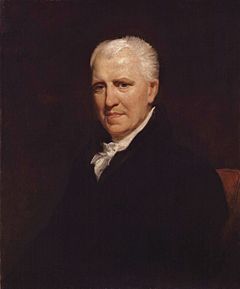
George Crabbe
(1)
Poem topics: , Print This Poem , Rhyme Scheme
Submit Spanish Translation
Submit German Translation
Submit French Translation
<< Tale Ix Poem
Tale I Poem>>
About The Poor Of The Borough. Letter Xxi: Abel Keene
The Poor Of The Borough. Letter Xxi: Abel Keene is a poem by George Crabbe. This page includes the poem text, poet information, related topics, comments, and similar poems.
Write your comment about The Poor Of The Borough. Letter Xxi: Abel Keene poem by George Crabbe
Best Poems of George Crabbe