Tale Xvii Poem Rhyme Scheme and Analysis
Rhyme Scheme: A BBCCDDEFGGHHIIEFJJKK LLMMNNKKO BBPPQQEERRDDSSTTUUVV TTWWX DDYYKKZZA2A2B2B2C2C2 JJD2E2F2F2G2G2ZZEE H2 I2I2J2J2K2K2L2L2M2M2 ZZN2SO2O2Z BRRBBMMZP2 ZZZG2G2J2J2F2F2Q2Q2R 2R2S2 RRJJZZT2T2PPU2U2Z ZZV2V2K2K2W2 X2X2EEVVU2U2R2R2ZZY2 Y2JJZZCCZZM2M2Z2 E RA3B3B3C3C3D3D3E3 F3F3E3H2| RESENTMENT | A |
| - | |
| Females there are of unsuspicious mind | B |
| Easy and soft and credulous and kind | B |
| Who when offended for the twentieth time | C |
| Will hear the offender and forgive the crime | C |
| And there are others whom like these to cheat | D |
| Asks but the humblest efforts of deceit | D |
| But they once injured feel a strong disdain | E |
| And seldom pardoning never trust again | F |
| Urged by religion they forgive but yet | G |
| Guard the warm heart and never more forget | G |
| Those are like wax apply them to the fire | H |
| Melting they take th' impressions you desire | H |
| Easy to mould and fashion as you please | I |
| And again moulded with an equal ease | I |
| Like smelted iron these the forms retain | E |
| But once impress'd will never melt again | F |
| A busy port a serious Merchant made | J |
| His chosen place to recommence his trade | J |
| And brought his Lady who their children dead | K |
| Their native seat of recent sorrow fled | K |
| The husband duly on the quay was seen | L |
| The wife at home became at length serene | L |
| There in short time the social couple grew | M |
| With all acquainted friendly with a few | M |
| When the good lady by disease assail'd | N |
| In vain resisted hope and science fail'd | N |
| Then spoke the female friends by pity led | K |
| 'Poor merchant Paul what think ye will he wed | K |
| A quiet easy kind religious man | O |
| Thus can he rest I wonder if he can ' | - |
| He too as grief subsided in his mind | B |
| Gave place to notions of congenial kind | B |
| Grave was the man as we have told before | P |
| His years were forty he might pass for more | P |
| Composed his features were his stature low | Q |
| His air important and his motion slow | Q |
| His dress became him it was neat and plain | E |
| The colour purple and without a stain | E |
| His words were few and special was his care | R |
| In simplest terms his purpose to declare | R |
| A man more civil sober and discreet | D |
| More grave and corteous you could seldom meet | D |
| Though frugal he yet sumptuous was his board | S |
| As if to prove how much he could afford | S |
| For though reserved himself he loved to see | T |
| His table plenteous and his neighbours free | T |
| Among these friends he sat in solemn style | U |
| And rarely soften'd to a sober smile | U |
| For this observant friends their reason gave | V |
| 'Concerns so vast would make the idlest grave | V |
| And for such man to be of language free | T |
| Would seem incongruous as a singing tree | T |
| Trees have their music but the birds they shield | W |
| The pleasing tribute for protection yield | W |
| Each ample tree the tuneful choir defends | X |
| As this rich merchant cheers his happy friends ' | - |
| In the same town it was his chance to meet | D |
| A gentle Lady with a mind discreet | D |
| Neither in life's decline nor bloom of youth | Y |
| One famed for maiden modesty and truth | Y |
| By nature cool in pious habits bred | K |
| She look'd on lovers with a virgin's dread | K |
| Deceivers rakes and libertines were they | Z |
| And harmless beauty their pursuit and prey | Z |
| As bad as giants in the ancient times | A2 |
| Were modern lovers and the same their crimes | A2 |
| Soon as she heard of her all conquering charms | B2 |
| At once she fled to her defensive arms | B2 |
| Conn'd o'er the tales her maiden aunt had told | C2 |
| And statue like was motionless and cold | C2 |
| From prayer of love like that Pygmalion pray'd | J |
| Ere the hard stone became the yielding maid | J |
| A different change in this chaste nymph ensued | D2 |
| And turn'd to stone the breathing flesh and blood | E2 |
| Whatever youth described his wounded heart | F2 |
| 'He came to rob her and she scorn'd his art | F2 |
| And who of raptures once presumed to speak | G2 |
| Told listening maids he thought them fond and weak | G2 |
| But should a worthy man his hopes display | Z |
| In few plain words and beg a yes or nay | Z |
| He would deserve an answer just and plain | E |
| Since adulation only moved disdain | E |
| Sir if my friends object not come again ' | - |
| Hence our grave Lover though he liked the | H2 |
| - | |
| face | I2 |
| Praised not a feature dwelt not on a grace | I2 |
| But in the simplest terms declared his state | J2 |
| 'A widow'd man who wish'd a virtuous mate | J2 |
| Who fear'd neglect and was compell'd to trust | K2 |
| Dependants wasteful idle or unjust | K2 |
| Or should they not the trusted stores destroy | L2 |
| At best they could not help him to enjoy | L2 |
| But with her person and her prudence bless'd | M2 |
| His acts would prosper and his soul have rest | M2 |
| Would she be his ' 'Why that was much to say | Z |
| She would consider he awhile might stay | Z |
| She liked his manners and believed his word | N2 |
| He did not flatter flattery she abhorr'd | S |
| It was her happy lot in peace to dwell | O2 |
| Would change make better what was now so well | O2 |
| But she would ponder ' 'This ' he said 'was | Z |
| - | |
| kind ' | - |
| And begg'd to know 'when she had fix'd her mind | B |
| Romantic maidens would have scorn'd the air | R |
| And the cool prudence of a mind so fair | R |
| But well it pleased this wiser maid to find | B |
| Her own mild virtues in her lover's mind | B |
| His worldly wealth she sought and quickly grew | M |
| Pleased with her search and happy in the view | M |
| Of vessels freighted with abundant stores | Z |
| Of rooms whose treasures press'd the groaning | P2 |
| - | |
| floors | Z |
| And he of clerks and servants could display | Z |
| A little army on a public day | Z |
| Was this a man like needy bard to speak | G2 |
| Of balmy lip bright eye or rosy cheek | G2 |
| The sum appointed for her widow'd state | J2 |
| Fix'd by her friend excited no debate | J2 |
| Then the kind lady gave her hand and heart | F2 |
| And never finding never dealt with art | F2 |
| In his engagements she had no concern | Q2 |
| He taught her not nor had she wish to learn | Q2 |
| On him in all occasions she relied | R2 |
| His word her surety and his worth her pride | R2 |
| When ship was launch'd and merchant Paul had | S2 |
| - | |
| share | R |
| A bounteous feast became the lady's care | R |
| Who then her entry to the dinner made | J |
| In costly raiment and with kind parade | J |
| Call'd by this duty on a certain day | Z |
| And robed to grace it in a rich array | Z |
| Forth from her room with measured step she came | T2 |
| Proud of th' event and stately look'd the dame | T2 |
| The husband met her at his study door | P |
| 'This way my love one moment and no more | P |
| A trifling business you will understand | U2 |
| The law requires that you affix your hand | U2 |
| But first attend and you shall learn the cause | Z |
| Why forms like these have been prescribed by laws ' | - |
| Then from his chair a man in black arose | Z |
| And with much quickness hurried off his prose | Z |
| That 'Ellen Paul the wife and so forth freed | V2 |
| From all control her own the act and deed | V2 |
| And forasmuch' said she 'I've no distrust | K2 |
| For he that asks it is discreet and just | K2 |
| Our friends are waiting where am I to sign | W2 |
| There Now be ready when we meet to dine ' | - |
| This said she hurried off in great delight | X2 |
| The ship was launch'd and joyful was the night | X2 |
| Now says the reader and in much disdain | E |
| This serious Merchant was a rogue in grain | E |
| A treacherous wretch an artful sober knave | V |
| And ten times worse for manners cool and grave | V |
| And she devoid of sense to set her hand | U2 |
| To scoundrel deeds she could not understand | U2 |
| Alas 'tis true and I in vain had tried | R2 |
| To soften crime that cannot be denied | R2 |
| And might have labour'd many a tedious verse | Z |
| The latent cause of mischief to rehearse | Z |
| Be it confess'd that long with troubled look | Y2 |
| This Trader view'd a huge accompting book | Y2 |
| His former marriage for a time delay'd | J |
| The dreaded hour the present lent its aid | J |
| But he too clearly saw the evil day | Z |
| And put the terror by deceit away | Z |
| Thus by connecting with his sorrows crime | C |
| He gain'd a portion of uneasy time | C |
| All this too late the injur'd Lady saw | Z |
| What law had given again she gave to law | Z |
| His guilt her folly these at once impress'd | M2 |
| Their lasting feelings on her guileless breast | M2 |
| 'Shame I can bear ' she cried 'and want | Z2 |
| - | |
| sustain | E |
| But will not see this guilty wretch again ' | - |
| For all was lost and he with many a tear | R |
| Confess'd the fault she turning scorn'd to hear | A3 |
| To legal claims he yielded all his worth | B3 |
| But small the portion and the wrong'd were wroth | B3 |
| Nor to their debtor would a part allow | C3 |
| And where to live he know not knew not how | C3 |
| The Wife a cottage found and thither went | D3 |
| The suppliant man but she would not relent | D3 |
| Thenceforth she utter'd with indignant tone | E3 |
| 'I feel the misery and will feel alone ' | - |
| He would turn servant for her sake would keep | F3 |
| The poorest school the very streets would sweep | F3 |
| To show his love 'It was already shown | E3 |
| And her a | H2 |
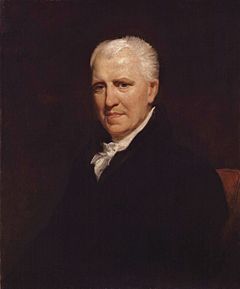
George Crabbe
(1)
Poem topics: , Print This Poem , Rhyme Scheme
Submit Spanish Translation
Submit German Translation
Submit French Translation
About Tale Xvii
Tale Xvii is a poem by George Crabbe. This page includes the poem text, poet information, related topics, comments, and similar poems.
Write your comment about Tale Xvii poem by George Crabbe
Best Poems of George Crabbe