Tale Vii Poem Rhyme Scheme and Analysis
Rhyme Scheme: A BBCCDDEEFGHHIIJJKKLM NNOOPQRRSSTUVVWWX YYZZA2A2B2B2C2C2C2 O D2 C2C2NNE2E2OOJJF2F2ZZ OG2G2P IIC2C2 C2C2H2H2NNI2J2C2C2T K2K2L2L2C2 RRZZZ M2 C2C2N2N2OODDO2O2C2C2 NNP2P2ZZDDL2 C2C2C2GGQ2Q2Z C2C2R2R2O2O2ZZC2C2A2 C2C2S2S2T2T2U2U2V2V2 N2N2W2W2 X2 L2L2ZZC2 ZZJ2I2Y2Y2Z2Z2ZZO WC2 WC2 U2U2T2 O| THE WIDOW'S TALE | A |
| - | |
| To Farmer Moss in Langar Vale came down | B |
| His only daughter from her school in town | B |
| A tender timid maid who knew not how | C |
| To pass a pig sty or to face a cow | C |
| Smiling she came with petty talents graced | D |
| A fair complexion and a slender waist | D |
| Used to spare meals disposed in manner pure | E |
| Her father's kitchen she could ill endure | E |
| Where by the steaming beef he hungry sat | F |
| And laid at once a pound upon his plate | G |
| Hot from the field her eager brother seized | H |
| An equal part and hunger's rage appeased | H |
| The air surcharged with moisture flagg'd around | I |
| And the offended damsel sigh'd and frown'd | I |
| The swelling fat in lumps conglomerate laid | J |
| And fancy's sickness seized the loathing maid | J |
| But when the men beside their station took | K |
| The maidens with them and with these the cook | K |
| When one huge wooden bowl before them stood | L |
| Fill'd with huge balls of farinaceous food | M |
| With bacon mass saline where never lean | N |
| Beneath the brown and bristly rind was seen | N |
| When from a single horn the party drew | O |
| Their copious draughts of heavy ale and new | O |
| When the coarse cloth she saw with many a stain | P |
| Soil'd by rude hinds who cut and came again | Q |
| She could not breathe but with a heavy sigh | R |
| Rein'd the fair neck and shut th' offended eye | R |
| She minced the sanguine flesh in frustums fine | S |
| And wonder'd much to see the creatures dine | S |
| When she resolved her father's heart to move | T |
| If hearts of farmers were alive to love | U |
| She now entreated by herself to sit | V |
| In the small parlour if papa thought fit | V |
| And there to dine to read to work alone | W |
| 'No ' said the Farmer in an angry tone | W |
| 'These are your school taught airs your mother's | X |
| - | |
| pride | Y |
| Would send you there but I am now your guide | Y |
| Arise betimes our early meal prepare | Z |
| And this despatch'd let business be your care | Z |
| Look to the lasses let there not be one | A2 |
| Who lacks attention till her tasks be done | A2 |
| In every household work your portion take | B2 |
| And what you make not see that others make | B2 |
| At leisure times attend the wheel and see | C2 |
| The whit'ning web besprinkled on the lea | C2 |
| When thus employ'd should our young neighbours | C2 |
| - | |
| view | O |
| A useful lass you may have more to do ' | - |
| Dreadful were these commands but worse than | D2 |
| - | |
| these | C2 |
| The parting hint a Farmer could not please | C2 |
| 'Tis true she had without abhorrence seen | N |
| Young Harry Carr when he was smart and clean | N |
| But to be married be a farmer's wife | E2 |
| A slave a drudge she could not for her life | E2 |
| With swimming eyes the fretful nymph withdrew | O |
| And deeply sighing to her chamber flew | O |
| There on her knees to Heaven she grieving pray'd | J |
| For change of prospect to a tortured maid | J |
| Harry a youth whose late departed sire | F2 |
| Had left him all industrious men require | F2 |
| Saw the pale Beauty and her shape and air | Z |
| Engaged him much and yet he must forbear | Z |
| 'For my small farm what can the damsel do ' | - |
| He said then stopp'd to take another view | O |
| 'Pity so sweet a lass will nothing learn | G2 |
| Of household cares for what can beauty earn | G2 |
| By those small arts which they at school attain | P |
| That keep them useless and yet make them vain ' | - |
| This luckless Damsel look'd the village round | I |
| To find a friend and one was quickly found | I |
| A pensive Widow whose mild air and dress | C2 |
| Pleased the sad nymph who wish'd her soul's | C2 |
| - | |
| distress | C2 |
| To one so seeming kind confiding to confess | C2 |
| 'What Lady that ' the anxious lass inquired | H2 |
| Who then beheld the one she most admired | H2 |
| 'Here ' said the Brother 'are no ladies seen | N |
| That is a widow dwelling on the Green | N |
| A dainty dame who can but barely live | I2 |
| On her poor pittance yet contrives to give | J2 |
| She happier days has known but seems at ease | C2 |
| And you may call her lady if you please | C2 |
| But if you wish good sister to improve | T |
| You shall see twenty better worth your love ' | - |
| These Nancy met but spite of all they taught | K2 |
| This useless Widow was the one she sought | K2 |
| The father growl'd but said he knew no harm | L2 |
| In such connexion that could give alarm | L2 |
| 'And if we thwart the trifler in her course | C2 |
| 'Tis odds against us she will take a worse ' | - |
| Then met the friends the Widow heard the sigh | R |
| That ask'd at once compassion and reply | R |
| 'Would you my child converse with one so poor | Z |
| Yours were the kindness yonder is my door | Z |
| And save the time that we in public pray | Z |
| From that poor cottage I but rarely stray ' | - |
| There went the nymph and made her strong | M2 |
| - | |
| complaints | C2 |
| Painting her woe as injured feeling paints | C2 |
| 'Oh dearest friend do think how one must feel | N2 |
| Shock'd all day long and sicken'd every meal | N2 |
| Could you behold our kitchen and to you | O |
| A scene so shocking must indeed be new | O |
| A mind like yours with true refinement graced | D |
| Would let no vulgar scenes pollute your taste | D |
| And yet in truth from such a polish'd mind | O2 |
| All base ideas must resistance find | O2 |
| And sordid pictures from the fancy pass | C2 |
| As the breath startles from the polish'd glass | C2 |
| 'Here you enjoy a sweet romantic scene | N |
| Without so pleasant and within so clean | N |
| These twining jess'mines what delicious gloom | P2 |
| And soothing fragrance yield they to the room | P2 |
| What lovely garden there you oft retire | Z |
| And tales of woe and tenderness admire | Z |
| In that neat case your books in order placed | D |
| Soothe the full soul and charm the cultur'd taste | D |
| And thus while all about you wears a charm | L2 |
| How must you scorn the Farmer and the Farm ' | - |
| The Widow smiled and 'Know you not ' said she | C2 |
| 'How much these farmers scorn or pity me | C2 |
| Who see what you admire and laugh at all they see | C2 |
| True their opinion alters not my fate | G |
| By falsely judging of an humble state | G |
| This garden you with such delight behold | Q2 |
| Tempts not a feeble dame who dreads the cold | Q2 |
| These plants which please so well your livelier | Z |
| - | |
| sense | C2 |
| To mine but little of their sweets dispense | C2 |
| Books soon are painful to my failing sight | R2 |
| And oftener read from duty than delight | R2 |
| Yet let me own that I can sometimes find | O2 |
| Both joy and duty in the act combined | O2 |
| But view me rightly you will see no more | Z |
| Than a poor female willing to be poor | Z |
| Happy indeed but not in books nor flowers | C2 |
| Not in fair dreams indulged in earlier hours | C2 |
| Of never tasted joys such visions shun | A2 |
| My youthful friend nor scorn the Farmer's Son ' | - |
| 'Nay ' said the Damsel nothing pleased to see | C2 |
| A friend's advice could like a Father's be | C2 |
| 'Bless'd in your cottage you must surely smile | S2 |
| At those who live in our detested style | S2 |
| To my Lucinda's sympathising heart | T2 |
| Could I my prospects and my griefs impart | T2 |
| She would console me but I dare not show | U2 |
| Ills that would wound her tender soul to know | U2 |
| And I confess it shocks my pride to tell | V2 |
| The secrets of the prison where I dwell | V2 |
| For that dear maiden would be shock'd to feel | N2 |
| The secrets I should shudder to reveal | N2 |
| When told her friend was by a parent ask'd | W2 |
| 'Fed you the swine ' Good heaven how I am task'd | W2 |
| - | |
| - | |
| What can you smile Ah smile not at the grief | X2 |
| That woos your pity and demands relief ' | - |
| 'Trifles my love you take a false alarm | L2 |
| Think I beseech you better of the Farm | L2 |
| Duties in every state demand your care | Z |
| And light are those that will require it there | Z |
| Fix on the Youth a favouring eye and these | C2 |
| To him pertaining or as his will please ' | - |
| 'What words ' the Lass replied 'offend my ear | Z |
| Try you my patience Can you be sincere | Z |
| And am I told a willing hand to give | J2 |
| To a rude farmer and with rustics live | I2 |
| Far other fate was yours some gentle youth | Y2 |
| Admir'd your beauty and avow'd his truth | Y2 |
| The power of love prevail'd and freely both | Z2 |
| Gave the fond heart and pledged the binding oath | Z2 |
| And then the rival's plot the parent's power | Z |
| And jealous fears drew on the happy hour | Z |
| Ah let not memory lose the blissful view | O |
| But fairly show what love has done for you ' | - |
| 'Agreed my daughter what my heart has known | W |
| Of Love's strange power shall be with frankness | C2 |
| - | |
| shown | W |
| But let me warn you that experience finds | C2 |
| Few of the scenes that lively hope designs ' | - |
| 'Mysterious all ' said Nancy 'you I know | U2 |
| Have suffered much now deign the grief to show | U2 |
| I am your friend and so prepare my heart | T2 |
| In all your sorrows to receive a part ' | - |
| The Widow answer'd 'I had once like you | O |
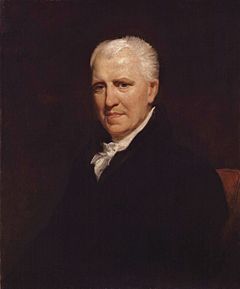
George Crabbe
(1)
Poem topics: , Print This Poem , Rhyme Scheme
Submit Spanish Translation
Submit German Translation
Submit French Translation
About Tale Vii
Tale Vii is a poem by George Crabbe. This page includes the poem text, poet information, related topics, comments, and similar poems.
Write your comment about Tale Vii poem by George Crabbe
Best Poems of George Crabbe