Troilus And Criseyde: Book 01 Poem Rhyme Scheme and Analysis
Rhyme Scheme: ABABBCC CACAADD EFEFFGG FBFCBFF FDFDDDD CBCBCFF FFFFFBC ADADDCC HCHCCAA FCFBBFF HGHCICC GFGFFCC CACAAFF FCFCCAA CCCCBDD DADAAHH DADAABB EDE DGG ACCCCAA DCDCCJJ AGAGGCC ACACCAA KCKCCCC FCFCCCC CFLFFDD ACACCDD CACAACC ABABBCC HFHFFB I IAAGG ADADDAA MAMAAI CDCDDEE AGAGGCC CKCKKDD ICICCKK CCCCCCC GCGCCDD HCHCCCC CFC FDD DHDHHFF GDGD CC AAAAAII HAHAACC FCFCCCC CCCCCCC CJCJJGG CBCBBFF FDFDDEE IADAAA KCKCCCC ACACCFF CDCDDFF KAKAAHH IGIGDII CACAACC FFFFFDD G FDFDCII ACACCCD DFNIFD DFDFFEE DANAAF GFGFFII CFCFFCC FDFDDAA FCFCCI CACAAFFEAEAAGG CACAACC MIMIICC FDFDDCC ICICCAA FAFAACC DFDFFF CACCDA CCCCCFF FCFCCC CCICCDD AFAFFAA FAFAAF GAGAAFFFHFHHDD CCCCCC DDDDCFF ACACCE ICICCDD DDDDDDD FIFICF HFH FF FFFFFCC CFCFFCC CFCFFDD FCFCCFF DFAF FF FAFFCC DFDFFDD DADAACC FAFAAEE FEFEECC AFAFFAA FBFBBFF AAAAAFFDGDGGC CFCFFDD MDMDDD CCCCCAA HFHDDCC DFDFFDD DDD DMMDFDFF F F A DFCFFFF CDCDDAA CFCFFBB DFDFFFF DCDCCCCFAFAAE FAFAACC F FCCH CCCECC ACACCAA ACACCHH BCBCCCCCCC CF F FDD C ACACCCC CBCBBBB CCACCCC CDCDDFF ACACCDD CACAACCCCCCCCC CDCDDDD ECE CE MCMCCCC FCFCCCC DCDCCCCCCCCCEE CCCCCCC CCCCCCC DCDCCCC CCDCCCC CCCCCEE CCCCCC CCCCCEE CCCCCC CACAA C CDCDDC CCCCCC DCDCCCC DDD C ECE CCC CACAACC ADADDCC CCCCCHH CCCCCCC C| The double sorwe of Troilus to tellen | A |
| That was the king Priamus sone of Troye | B |
| In lovinge how his aventures fellen | A |
| Fro wo to wele and after out of Ioye | B |
| My purpos is er that I parte fro ye | B |
| Thesiphone thou help me for tendyte | C |
| Thise woful vers that wepen as I wryte | C |
| - | |
| To thee clepe I thou goddesse of torment | C |
| Thou cruel Furie sorwing ever in peyne | A |
| Help me that am the sorwful instrument | C |
| That helpeth lovers as I can to pleyne | A |
| For wel sit it the sothe for to seyne | A |
| A woful wight to han a drery fere | D |
| And to a sorwful tale a sory chere | D |
| - | |
| For I that god of Loves servaunts serve | E |
| Ne dar to Love for myn unlyklinesse | F |
| Preyen for speed al sholde I therfor sterve | E |
| So fer am I fro his help in derknesse | F |
| But nathelees if this may doon gladnesse | F |
| To any lover and his cause avayle | G |
| Have he my thank and myn be this travayle | G |
| - | |
| But ye loveres that bathen in gladnesse | F |
| If any drope of pitee in yow be | B |
| Remembreth yow on passed hevinesse | F |
| That ye han felt and on the adversitee | C |
| Of othere folk and thenketh how that ye | B |
| Han felt that Love dorste yow displese | F |
| Or ye han wonne hym with to greet an ese | F |
| - | |
| And preyeth for hem that ben in the cas | F |
| Of Troilus as ye may after here | D |
| That love hem bringe in hevene to solas | F |
| And eek for me preyeth to god so dere | D |
| That I have might to shewe in som manere | D |
| Swich peyne and wo as Loves folk endure | D |
| In Troilus unsely aventure | D |
| - | |
| And biddeth eek for hem that been despeyred | C |
| In love that never nil recovered be | B |
| And eek for hem that falsly been apeyred | C |
| Thorugh wikked tonges be it he or she | B |
| Thus biddeth god for his benignitee | C |
| So graunte hem sone out of this world to pace | F |
| That been despeyred out of Loves grace | F |
| - | |
| And biddeth eek for hem that been at ese | F |
| That god hem graunte ay good perseveraunce | F |
| And sende hem might hir ladies so to plese | F |
| That it to Love be worship and plesaunce | F |
| For so hope I my soule best avaunce | F |
| To preye for hem that Loves servaunts be | B |
| And wryte hir wo and live in charitee | C |
| - | |
| And for to have of hem compassioun | A |
| As though I were hir owene brother dere | D |
| Now herkeneth with a gode entencioun | A |
| For now wol I gon streight to my matere | D |
| In whiche ye may the double sorwes here | D |
| Of Troilus in loving of Criseyde | C |
| And how that she forsook him er she deyde | C |
| - | |
| It is wel wist how that the Grekes stronge | H |
| In armes with a thousand shippes wente | C |
| To Troyewardes and the citee longe | H |
| Assegeden neigh ten yeer er they stente | C |
| And in diverse wyse and oon entente | C |
| The ravisshing to wreken of Eleyne | A |
| By Paris doon they wroughten al hir peyne | A |
| - | |
| Now fil it so that in the toun ther was | F |
| Dwellinge a lord of greet auctoritee | C |
| A gret devyn that cleped was Calkas | F |
| That in science so expert was that he | B |
| Knew wel that Troye sholde destroyed be | B |
| By answere of his god that highte thus | F |
| Daun Phebus or Apollo Delphicus | F |
| - | |
| So whan this Calkas knew by calculinge | H |
| And eek by answere of this Appollo | G |
| That Grekes sholden swich a peple bringe | H |
| Thorugh which that Troye moste been for do | C |
| He caste anoon out of the toun to go | I |
| For wel wiste he by sort that Troye sholde | C |
| Destroyed ben ye wolde who so nolde | C |
| - | |
| For which for to departen softely | G |
| Took purpos ful this forknowinge wyse | F |
| And to the Grekes ost ful prively | G |
| He stal anoon and they in curteys wyse | F |
| Hym deden bothe worship and servyse | F |
| In trust that he hath conning hem to rede | C |
| In every peril which that is to drede | C |
| - | |
| The noyse up roos whan it was first aspyed | C |
| Thorugh al the toun and generally was spoken | A |
| That Calkas traytor fled was and allyed | C |
| With hem of Grece and casten to ben wroken | A |
| On him that falsly hadde his feith so broken | A |
| And seyden he and al his kin at ones | F |
| Ben worthy for to brennen fel and bones | F |
| - | |
| Now hadde Calkas left in this meschaunce | F |
| Al unwist of this false and wikked dede | C |
| His doughter which that was in gret penaunce | F |
| For of hir lyf she was ful sore in drede | C |
| As she that niste what was best to rede | C |
| For bothe a widowe was she and allone | A |
| Of any freend to whom she dorste hir mone | A |
| - | |
| Criseyde was this lady name a right | C |
| As to my dome in al Troyes citee | C |
| Nas noon so fair for passing every wight | C |
| So aungellyk was hir natyf beautee | C |
| That lyk a thing immortal semed she | B |
| As doth an hevenish parfit creature | D |
| That doun were sent in scorning of nature | D |
| - | |
| This lady which that al day herde at ere | D |
| Hir fadres shame his falsnesse and tresoun | A |
| Wel nigh out of hir wit for sorwe and fere | D |
| In widewes habit large of samit broun | A |
| On knees she fil biforn Ector a doun | A |
| With pitous voys and tendrely wepinge | H |
| His mercy bad hir selven excusinge | H |
| - | |
| Now was this Ector pitous of nature | D |
| And saw that she was sorwfully bigoon | A |
| And that she was so fair a creature | D |
| Of his goodnesse he gladed hir anoon | A |
| And seyde 'Lat your fadres treson goon | A |
| Forth with mischaunce and ye your self in Ioye | B |
| Dwelleth with us whyl you good list in Troye | B |
| - | |
| 'And al thonour that men may doon yow have | E |
| As ferforth as your fader dwelled here | D |
| Ye shul han and your body shal men save | E |
| As fer as I may ought enquere or here ' | - |
| And she him thonked with ful humble chere | D |
| And ofter wolde and it hadde ben his wille | G |
| And took hir leve and hoom and held hir stille | G |
| - | |
| And in hir hous she abood with swich meynee | A |
| As to hir honour nede was to holde | C |
| And whyl she was dwellinge in that citee | C |
| Kepte hir estat and bothe of yonge and olde | C |
| Ful wel beloved and wel men of hir tolde | C |
| But whether that she children hadde or noon | A |
| I rede it naught therfore I late it goon | A |
| - | |
| The thinges fellen as they doon of werre | D |
| Bitwixen hem of Troye and Grekes ofte | C |
| For som day boughten they of Troye it derre | D |
| And eft the Grekes founden no thing softe | C |
| The folk of Troye and thus fortune on lofte | C |
| And under eft gan hem to wheelen bothe | J |
| After hir cours ay whyl they were wrothe | J |
| - | |
| But how this toun com to destruccioun | A |
| Ne falleth nought to purpos me to telle | G |
| For it were a long digressioun | A |
| Fro my matere and yow to longe dwelle | G |
| But the Troyane gestes as they felle | G |
| In Omer or in Dares or in Dyte | C |
| Who so that can may rede hem as they wryte | C |
| - | |
| But though that Grekes hem of Troye shetten | A |
| And hir citee bisegede al a boute | C |
| Hir olde usage wolde they not letten | A |
| As for to honoure hir goddes ful devoute | C |
| But aldermost in honour out of doute | C |
| They hadde a relik hight Palladion | A |
| That was hir trist a boven everichon | A |
| - | |
| And so bifel whan comen was the tyme | K |
| Of Aperil whan clothed is the mede | C |
| With newe grene of lusty Ver the pryme | K |
| And swote smellen floures whyte and rede | C |
| In sondry wyses shewed as I rede | C |
| The folk of Troye hir observaunces olde | C |
| Palladiones feste for to holde | C |
| - | |
| And to the temple in al hir beste wyse | F |
| In general ther wente many a wight | C |
| To herknen of Palladion servyse | F |
| And namely so many a lusty knight | C |
| So many a lady fresh and mayden bright | C |
| Ful wel arayed bothe moste and leste | C |
| Ye bothe for the seson and the feste | C |
| - | |
| Among thise othere folk was Criseyda | C |
| In widewes habite blak but nathelees | F |
| Right as our firste lettre is now an A | L |
| In beautee first so stood she makelees | F |
| Hir godly looking gladede al the prees | F |
| Nas never seyn thing to ben preysed derre | D |
| Nor under cloude blak so bright a sterre | D |
| - | |
| As was Criseyde as folk seyde everichoon | A |
| That hir behelden in hir blake wede | C |
| And yet she stood ful lowe and stille alloon | A |
| Bihinden othere folk in litel brede | C |
| And neigh the dore ay under shames drede | C |
| Simple of a tyr and debonaire of chere | D |
| With ful assured loking and manere | D |
| - | |
| This Troilus as he was wont to gyde | C |
| His yonge knightes ladde hem up and doun | A |
| In thilke large temple on every syde | C |
| Biholding ay the ladyes of the toun | A |
| Now here now there for no devocioun | A |
| Hadde he to noon to reven him his reste | C |
| But gan to preyse and lakken whom him leste | C |
| - | |
| And in his walk ful fast he gan to wayten | A |
| If knight or squyer of his companye | B |
| Gan for to syke or lete his eyen bayten | A |
| On any woman that he coude aspye | B |
| He wolde smyle and holden it folye | B |
| And seye him thus 'god wot she slepeth softe | C |
| For love of thee whan thou tornest ful ofte | C |
| - | |
| 'I have herd told pardieux of your livinge | H |
| Ye lovers and your lewede observaunces | F |
| And which a labour folk han in winninge | H |
| Of love and in the keping which doutaunces | F |
| And whan your preye is lost wo and penaunces | F |
| O verrey foles nyce and blinde be ye | B |
| Ther nis not oon can war by other be ' | - |
| - | |
| And with that word he gan cast up the browe | I |
| Ascaunces 'Lo is this nought wysly spoken ' | - |
| At which the god of love gan loken rowe | I |
| Right for despyt and shoop for to ben wroken | A |
| He kidde anoon his bowe nas not broken | A |
| For sodeynly he hit him at the fulle | G |
| And yet as proud a pekok can he pulle | G |
| - | |
| O blinde world O blinde entencioun | A |
| How ofte falleth al theffect contraire | D |
| Of surquidrye and foul presumpcioun | A |
| For caught is proud and caught is debonaire | D |
| This Troilus is clomben on the staire | D |
| And litel weneth that he moot descenden | A |
| But al day falleth thing that foles ne wenden | A |
| - | |
| As proude Bayard ginneth for to skippe | M |
| Out of the wey so priketh him his corn | A |
| Til he a lash have of the longe whippe | M |
| Than thenketh he 'Though I praunce al biforn | A |
| First in the trays ful fat and newe shorn | A |
| Yet am I but an hors and horses lawe | I |
| I moot endure and with my feres drawe ' | - |
| - | |
| So ferde it by this fers and proude knight | C |
| Though he a worthy kinges sone were | D |
| And wende nothing hadde had swiche might | C |
| Ayens his wil that sholde his herte stere | D |
| Yet with a look his herte wex a fere | D |
| That he that now was most in pryde above | E |
| Wex sodeynly most subget un to love | E |
| - | |
| For thy ensample taketh of this man | A |
| Ye wyse proude and worthy folkes alle | G |
| To scornen Love which that so sone can | A |
| The freedom of your hertes to him thralle | G |
| For ever it was and ever it shal bifalle | G |
| That Love is he that alle thing may binde | C |
| For may no man for do the lawe of kinde | C |
| - | |
| That this be sooth hath preved and doth yet | C |
| For this trowe I ye knowen alle or some | K |
| Men reden not that folk han gretter wit | C |
| Than they that han be most with love y nome | K |
| And strengest folk ben therwith overcome | K |
| The worthiest and grettest of degree | D |
| This was and is and yet men shal it see | D |
| - | |
| And trewelich it sit wel to be so | I |
| For alderwysest han ther with ben plesed | C |
| And they that han ben aldermost in wo | I |
| With love han ben conforted most and esed | C |
| And ofte it hath the cruel herte apesed | C |
| And worthy folk maad worthier of name | K |
| And causeth most to dreden vyce and shame | K |
| - | |
| Now sith it may not goodly be withstonde | C |
| And is a thing so vertuous in kinde | C |
| Refuseth not to Love for to be bonde | C |
| Sin as him selven list he may yow binde | C |
| The yerde is bet that bowen wole and winde | C |
| Than that that brest and therfor I yow rede | C |
| To folwen him that so wel can yow lede | C |
| - | |
| But for to tellen forth in special | G |
| As of this kinges sone of which I tolde | C |
| And leten other thing collateral | G |
| Of him thenke I my tale for to holde | C |
| Both of his Ioye and of his cares colde | C |
| And al his werk as touching this matere | D |
| For I it gan I wol ther to refere | D |
| - | |
| With inne the temple he wente him forth pleyinge | H |
| This Troilus of every wight aboute | C |
| On this lady and now on that lokinge | H |
| Wher so she were of toune or of with oute | C |
| And up on cas bifel that thorugh a route | C |
| His eye perced and so depe it wente | C |
| Til on Criseyde it smoot and ther it stente | C |
| - | |
| And sodeynly he wax ther with astoned | C |
| And gan hire bet biholde in thrifty wyse | F |
| 'O mercy god ' thoughte he 'wher hastow woned | C |
| That art so fair and goodly to devyse ' | - |
| Ther with his herte gan to sprede and ryse | F |
| And softe sighed lest men mighte him here | D |
| And caughte a yein his firste pleyinge chere | D |
| - | |
| She nas nat with the leste of hir stature | D |
| But alle hir limes so wel answeringe | H |
| Weren to womanhode that creature | D |
| Was neuer lasse mannish in seminge | H |
| And eek the pure wyse of here meninge | H |
| Shewede wel that men might in hir gesse | F |
| Honour estat and wommanly noblesse | F |
| - | |
| To Troilus right wonder wel with alle | G |
| Gan for to lyke hir meninge and hir chere | D |
| Which somdel deynous was for she leet falle | G |
| Hir look a lite a side in swich manere | D |
| Ascaunces 'What May I not stonden here ' | - |
| And after that hir loking gan she lighte | C |
| That never thoughte him seen so good a sighte | C |
| - | |
| And of hir look in him ther gan to quiken | A |
| So greet desir and swich affeccioun | A |
| That in his herte botme gan to stiken | A |
| Of hir his fixe and depe impressioun | A |
| And though he erst hadde poured up and doun | A |
| He was tho glad his hornes in to shrinke | I |
| Unnethes wiste he how to loke or winke | I |
| - | |
| Lo he that leet him selven so konninge | H |
| And scorned hem that loves peynes dryen | A |
| Was ful unwar that love hadde his dwellinge | H |
| With inne the subtile stremes of hir yen | A |
| That sodeynly him thoughte he felte dyen | A |
| Right with hir look the spirit in his herte | C |
| Blissed be love that thus can folk converte | C |
| - | |
| She this in blak likinge to Troylus | F |
| Over alle thyng he stood for to biholde | C |
| Ne his desir ne wherfor he stood thus | F |
| He neither chere made ne worde tolde | C |
| But from a fer his maner for to holde | C |
| On other thing his look som tyme he caste | C |
| And eft on hir whyl that servyse laste | C |
| - | |
| And after this not fulliche al awhaped | C |
| Out of the temple al esiliche he wente | C |
| Repentinge him that he hadde ever y iaped | C |
| Of loves folk lest fully the descente | C |
| Of scorn fille on him self but what he mente | C |
| Lest it were wist on any maner syde | C |
| His wo he gan dissimulen and hyde | C |
| - | |
| Whan he was fro the temple thus departed | C |
| He streyght anoon un to his paleys torneth | J |
| Right with hir look thurgh shoten and thurgh darted | C |
| Al feyneth he in lust that he soiorneth | J |
| And al his chere and speche also he borneth | J |
| And ay of loves servants every whyle | G |
| Him self to wrye at hem he gan to smyle | G |
| - | |
| And seyde 'Lord so ye live al in lest | C |
| Ye loveres For the conningest of yow | B |
| That serveth most ententiflich and best | C |
| Him tit as often harm ther of as prow | B |
| Your hyre is quit ayein ye god wot how | B |
| Nought wel for wel but scorn for good servyse | F |
| In feith your ordre is ruled in good wyse | F |
| - | |
| 'In noun certeyn ben alle your observaunces | F |
| But it a sely fewe poyntes be | D |
| Ne no thing asketh so grete attendaunces | F |
| As doth youre lay and that knowe alle ye | D |
| But that is not the worste as mote I thee | D |
| But tolde I yow the worste poynt I leve | E |
| Al seyde I sooth ye wolden at me greve | E |
| - | |
| 'But tak this that ye loveres ofte eschuwe | I |
| Or elles doon of good entencioun | A |
| Ful ofte thy lady wole it misconstrue | D |
| And deme it harm in hir opinioun | A |
| And yet if she for other enchesoun | A |
| Be wrooth than shalt thou han a groyn anoon | A |
| Lord wel is him that may be of yow oon ' | - |
| - | |
| But for al this whan that he say his tyme | K |
| He held his pees non other bote him gayned | C |
| For love bigan his fetheres so to lyme | K |
| That wel unnethe un to his folk he fayned | C |
| That othere besye nedes him destrayned | C |
| For wo was him that what to doon he niste | C |
| But bad his folk to goon wher that hem liste | C |
| - | |
| And whan that he in chaumbre was allone | A |
| He doun up on his beddes feet him sette | C |
| And first be gan to syke and eft to grone | A |
| And thoughte ay on hir so with outen lette | C |
| That as he sat and wook his spirit mette | C |
| That he hir saw a temple and al the wyse | F |
| Right of hir loke and gan it newe avyse | F |
| - | |
| Thus gan he make a mirour of his minde | C |
| In which he saugh al hoolly hir figure | D |
| And that he wel coude in his herte finde | C |
| It was to him a right good aventure | D |
| To love swich oon and if he dide his cure | D |
| To serven hir yet mighte he falle in grace | F |
| Or elles for oon of hir servaunts pace | F |
| - | |
| Imagininge that travaille nor grame | K |
| Ne mighte for so goodly oon be lorn | A |
| As she ne him for his desir ne shame | K |
| Al were it wist but in prys and up born | A |
| Of alle lovers wel more than biforn | A |
| Thus argumented he in his ginninge | H |
| Ful unavysed of his wo cominge | H |
| - | |
| Thus took he purpos loves craft to suwe | I |
| And thoughte he wolde werken prively | G |
| First to hyden his desir in muwe | I |
| From every wight y born al outrely | G |
| But he mighte ought recovered be therby | D |
| Remembring him that love to wyde y blowe | I |
| Yelt bittre fruyt though swete seed be sowe | I |
| - | |
| And over al this yet muchel more he thoughte | C |
| What for to speke and what to holden inne | A |
| And what to arten hir to love he soughte | C |
| And on a song anoon right to biginne | A |
| And gan loude on his sorwe for to winne | A |
| For with good hope he gan fully assente | C |
| Criseyde for to love and nought repente | C |
| - | |
| And of his song nought only the sentence | F |
| As writ myn autour called Lollius | F |
| But pleynly save our tonges difference | F |
| I dar wel sayn in al that Troilus | F |
| Seyde in his song lo every word right thus | F |
| As I shal seyn and who so list it here | D |
| Lo next this vers he may it finden here | D |
| - | |
| Cantus Troili | G |
| - | |
| 'If no love is O god what fele I so | F |
| And if love is what thing and whiche is he | D |
| If love be good from whennes comth my wo | F |
| If it be wikke a wonder thinketh me | D |
| Whenne every torment and adversitee | C |
| That cometh of him may to me savory thinke | I |
| For ay thurst I the more that I it drinke | I |
| - | |
| 'And if that at myn owene lust I brenne | A |
| Fro whennes cometh my wailing and my pleynte | C |
| If harme agree me wher to pleyne I thenne | A |
| I noot ne why unwery that I feynte | C |
| O quike deeth O swete harm so queynte | C |
| How may of thee in me swich quantitee | C |
| But if that I consente that it be | D |
| - | |
| 'And if that I consente I wrongfully | D |
| Compleyne y wis thus possed to and fro | F |
| Al sterelees with inne a boot am I | N |
| A mid the see by twixen windes two | I |
| That in contrarie stonden ever mo | F |
| Allas what is this wonder maladye | D |
| For hete of cold for cold of hete I deye ' | - |
| - | |
| And to the god of love thus seyde he | D |
| With pitous voys 'O lord now youres is | F |
| My spirit which that oughte youres be | D |
| Yow thanke I lord that han me brought to this | F |
| But whether goddesse or womman y wis | F |
| She be I noot which that ye do me serve | E |
| But as hir man I wole ay live and sterve | E |
| - | |
| 'Ye stonden in hire eyen mightily | D |
| As in a place un to youre vertu digne | A |
| Wherfore lord if my servyse or I | N |
| May lyke yow so beth to me benigne | A |
| For myn estat royal here I resigne | A |
| In to hir hond and with ful humble chere | F |
| Bicome hir man as to my lady dere ' | - |
| - | |
| In him ne deyned sparen blood royal | G |
| The fyr of love wher fro god me blesse | F |
| Ne him forbar in no degree for al | G |
| His vertu or his excellent prowesse | F |
| But held him as his thral lowe in distresse | F |
| And brende him so in sondry wyse ay newe | I |
| That sixty tyme a day he loste his hewe | I |
| - | |
| So muche day by day his owene thought | C |
| For lust to hir gan quiken and encrese | F |
| That every other charge he sette at nought | C |
| For thy ful ofte his hote fyr to cese | F |
| To seen hir goodly look he gan to prese | F |
| For ther by to ben esed wel he wende | C |
| And ay the ner he was the more he brende | C |
| - | |
| For ay the ner the fyr the hotter is | F |
| This trowe I knoweth al this companye | D |
| But were he fer or neer I dar seye this | F |
| By night or day for wisdom or folye | D |
| His herte which that is his brestes ye | D |
| Was ay on hir that fairer was to sene | A |
| Than ever were Eleyne or Polixene | A |
| - | |
| Eek of the day ther passed nought an houre | F |
| That to him self a thousand tyme he seyde | C |
| 'Good goodly to whom serve I and laboure | F |
| As I best can now wolde god Criseyde | C |
| Ye wolden on me rewe er that I deyde | C |
| My dere herte allas myn hele and hewe | I |
| And lyf is lost but ye wole on me rewe ' | - |
| - | |
| Alle othere dredes weren from him fledde | C |
| Both of the assege and his savacioun | A |
| Ne in him desyr noon othere fownes bredde | C |
| But argumentes to his conclusioun | A |
| That she on him wolde han compassioun | A |
| And he to be hir man whyl he may dure | F |
| Lo here his lyf and from the deeth his cure | F |
| The sharpe shoures felle of armes preve | E |
| That Ector or his othere bretheren diden | A |
| Ne made him only ther fore ones meve | E |
| And yet was he wher so men wente or riden | A |
| Founde oon the beste and lengest tyme abiden | A |
| Ther peril was and dide eek such travayle | G |
| In armes that to thenke it was mervayle | G |
| - | |
| But for non hate he to the Grekes hadde | C |
| Ne also for the rescous of the toun | A |
| Ne made him thus in armes for to madde | C |
| But only lo for this conclusioun | A |
| To lyken hir the bet for his renoun | A |
| Fro day to day in armes so he spedde | C |
| That alle the Grekes as the deeth him dredde | C |
| - | |
| And fro this forth tho refte him love his sleep | M |
| And made his mete his foo and eek his sorwe | I |
| Gan multiplye that who so toke keep | M |
| It shewed in his hewe bothe eve and morwe | I |
| Therfor a title he gan him for to borwe | I |
| Of other syknesse lest of him men wende | C |
| That the hote fyr of love him brende | C |
| - | |
| And seyde he hadde a fever and ferde amis | F |
| But how it was certayn can I not seye | D |
| If that his lady understood not this | F |
| Or feyned hir she niste oon of the tweye | D |
| But wel I rede that by no maner weye | D |
| Ne semed it as that she of him roughte | C |
| Nor of his peyne or what so ever he thoughte | C |
| - | |
| But than fel to this Troylus such wo | I |
| That he was wel neigh wood for ay his drede | C |
| Was this that she som wight had loved so | I |
| That never of him she wolde have taken hede | C |
| For whiche him thoughte he felte his herte blede | C |
| Ne of his wo ne dorste he not biginne | A |
| To tellen it for al this world to winne | A |
| - | |
| But whanne he hadde a space fro his care | F |
| Thus to him self ful ofte he gan to pleyne | A |
| He sayde 'O fool now art thou in the snare | F |
| That whilom Iapedest at loves peyne | A |
| Now artow hent now gnaw thyn owene cheyne | A |
| Thou were ay wont eche lovere reprehende | C |
| Of thing fro which thou canst thee nat defende | C |
| - | |
| 'What wol now every lover seyn of thee | D |
| If this be wist but ever in thyn absence | F |
| Laughen in scorn and seyn 'Lo ther gooth he | D |
| That is the man of so gret sapience | F |
| That held us lovers leest in reverence | F |
| Now thonked be god he may goon in the daunce | F |
| Of hem that Love list febly for to avaunce ' | - |
| 'But O thou woful Troilus god wolde | C |
| Sin thou most loven thurgh thi destinee | A |
| That thow beset were on swich oon that sholde | C |
| Knowe al thy wo al lakkede hir pitee | C |
| But al so cold in love towardes thee | D |
| Thy lady is as frost in winter mone | A |
| And thou fordoon as snow in fyr is sone ' | - |
| - | |
| 'God wolde I were aryved in the port | C |
| Of deth to which my sorwe wil me lede | C |
| A lord to me it were a gret comfort | C |
| Than were I quit of languisshing in drede | C |
| For by myn hidde sorwe y blowe on brede | C |
| I shal bi Iaped been a thousand tyme | F |
| More than that fool of whos folye men ryme | F |
| - | |
| 'But now help god and ye swete for whom | F |
| I pleyne y caught ye never wight so faste | C |
| O mercy dere herte and help me from | F |
| The deeth for I whyl that my lyf may laste | C |
| More than my self wol love yow to my laste | C |
| And with som freendly look gladeth me swete | C |
| Though never more thing ye me bi hete ' | - |
| - | |
| This wordes and ful manye an other to | C |
| He spak and called ever in his compleynte | C |
| Hir name for to tellen hir his wo | I |
| Til neigh that he in salte teres dreynte | C |
| Al was for nought she herde nought his pleynte | C |
| And whan that he bithoughte on that folye | D |
| A thousand fold his wo gan multiplye | D |
| - | |
| Bi wayling in his chambre thus allone | A |
| A freend of his that called was Pandare | F |
| Com ones in unwar and herde him grone | A |
| And say his freend in swich distresse and care | F |
| 'Allas ' quod he 'who causeth al this fare | F |
| O mercy god What unhap may this mene | A |
| Han now thus sone Grekes maad yow lene | A |
| - | |
| 'Or hastow som remors of conscience | F |
| And art now falle in som devocioun | A |
| And waylest for thy sinne and thyn offence | F |
| And hast for ferde caught attricioun | A |
| God save hem that bi seged han our toun | A |
| And so can leye our Iolyte on presse | F |
| And bring our lusty folk to holinesse ' | - |
| - | |
| These wordes seyde he for the nones alle | G |
| That with swich thing he mighte him angry maken | A |
| And with an angre don his sorwe falle | G |
| As for the tyme and his corage awaken | A |
| But wel he wist as fer as tonges spaken | A |
| Ther nas a man of gretter hardinesse | F |
| Than he ne more desired worthinesse | F |
| 'What cas ' quod Troilus 'or what aventure | F |
| Hath gyded thee to see my languisshinge | H |
| That am refus of euery creature | F |
| But for the love of god at my preyinge | H |
| Go henne a way for certes my deyinge | H |
| Wol thee disese and I mot nedes deye | D |
| Ther for go wey ther is no more to seye | D |
| - | |
| 'But if thou wene I be thus sik for drede | C |
| It is not so and ther for scorne nought | C |
| Ther is a nother thing I take of hede | C |
| Wel more than ought the Grekes han y wrought | C |
| Which cause is of my deeth for sorwe and thought | C |
| But though that I now telle thee it ne leste | C |
| Be thou nought wrooth I hyde it for the beste ' | - |
| - | |
| This Pandare that neigh malt for wo and routhe | D |
| Ful often seyde 'Allas what may this be | D |
| Now freend ' quod he 'if ever love or trouthe | D |
| Hath been or is bi twixen thee and me | D |
| Ne do thou never swiche a crueltee | C |
| To hyde fro thy freend so greet a care | F |
| Wostow nought wel that it am I Pandare | F |
| - | |
| 'I wole parten with thee al thy peyne | A |
| If it be so I do thee no comfort | C |
| As it is freendes right sooth for to seyne | A |
| To entreparten wo as glad desport | C |
| I have and shal for trewe or fals report | C |
| In wrong and right y loved thee al my lyve | E |
| Hyd not thy wo fro me but telle it blyve ' | - |
| - | |
| Than gan this sorwful Troilus to syke | I |
| And seyde him thus God leve it be my beste | C |
| To telle it thee for sith it may thee lyke | I |
| Yet wole I telle it though myn herte breste | C |
| And wel wot I thou mayst do me no reste | C |
| But lest thow deme I truste not to thee | D |
| Now herkne freend for thus it stant with me | D |
| - | |
| 'Love a yeins the which who so defendeth | D |
| Him selven most him alder lest avayleth | D |
| With disespeir so sorwfully me offendeth | D |
| That streyght un to the deeth myn herte sayleth | D |
| Ther to desyr so brenningly me assaylleth | D |
| That to ben slayn it were a gretter Ioye | D |
| To me than king of Grece been and Troye | D |
| - | |
| 'Suffiseth this my fulle freend Pandare | F |
| That I have seyd for now wostow my wo | I |
| And for the love of god my colde care | F |
| So hyd it wel I telle it never to mo | I |
| For harmes mighte folwen mo than two | C |
| If it were wist but be thou in gladnesse | F |
| And lat me sterve unknowe of my distresse ' | - |
| 'How hastow thus unkindely and longe | H |
| Hid this fro me thou fool ' quod Pandarus | F |
| 'Paraunter thou might after swich oon longe | H |
| That myn avys anoon may helpen us ' | - |
| 'This were a wonder thing ' quod Troylus | F |
| 'Thou coudest never in love thy selven wisse | F |
| How devel maystow bringen me to blisse ' | - |
| - | |
| 'Ye Troilus now herke ' quod Pandare | F |
| 'Though I be nyce it happeth ofte so | F |
| That oon that exces doth ful yvele fare | F |
| By good counseyl can kepe his freend ther fro | F |
| I have my self eek seyn a blind man go | F |
| Ther as he fel that coude loke wyde | C |
| A fool may eek a wys man ofte gyde | C |
| - | |
| 'A whetston is no kerving instrument | C |
| And yet it maketh sharpe kerving tolis | F |
| And ther thou woost that I have ought miswent | C |
| Eschewe thou that for swich thing to thee scole is | F |
| Thus ofte wyse men ben war by folis | F |
| If thou do so thy wit is wel biwared | C |
| By his contrarie is every thing declared | C |
| - | |
| 'For how might ever sweetnesse have be knowe | C |
| To him that never tasted bitternesse | F |
| Ne no man may be inly glad I trowe | C |
| That never was in sorwe or som distresse | F |
| Eek whyt by blak by shame eek worthinesse | F |
| Ech set by other more for other semeth | D |
| As men may see and so the wyse it demeth | D |
| - | |
| 'Sith thus of two contraries is a lore | F |
| I that have in love so ofte assayed | C |
| Grevaunces oughte conne and wel the more | F |
| Counsayllen thee of that thou art amayed | C |
| Eek thee ne oughte nat ben yvel apayed | C |
| Though I desyre with thee for to bere | F |
| Thyn hevy charge it shal the lasse dere | F |
| - | |
| 'I woot wel that it fareth thus by me | D |
| As to thy brother Parys an herdesse | F |
| Which that y cleped was Oenone | A |
| Wrot in a compleynte of hir hevinesse | F |
| Ye say the lettre that she wroot y gesse ' | - |
| 'Nay never yet y wis ' quod Troilus | F |
| 'Now ' quod Pandare 'herkneth it was thus | F |
| - | |
| Phebus that first fond art of medicyne ' | - |
| Quod she 'and coude in every wightes care | F |
| Remede and reed by herbes he knew fyne | A |
| Yet to him self his conning was ful bare | F |
| For love hadde him so bounden in a snare | F |
| Al for the doughter of the kinge Admete | C |
| That al his craft ne coude his sorwe bete | C |
| - | |
| 'Right so fare I unhappily for me | D |
| I love oon best and that me smerteth sore | F |
| And yet paraunter can I rede thee | D |
| And not my self repreve me no more | F |
| I have no cause I woot wel for to sore | F |
| As doth an hauk that listeth for to pleye | D |
| But to thyn help yet somwhat can I seye | D |
| - | |
| 'And of o thing right siker maystow be | D |
| That certayn for to deyen in the peyne | A |
| That I shal never mo discoveren thee | D |
| Ne by my trouthe I kepe nat restreyne | A |
| Thee fro thy love thogh that it were Eleyne | A |
| That is thy brotheres wif if ich it wiste | C |
| Be what she be and love hir as thee liste | C |
| - | |
| 'Therfore as freend fullich in me assure | F |
| And tel me plat what is thyn enchesoun | A |
| And final cause of wo that ye endure | F |
| For douteth no thing myn entencioun | A |
| Nis nought to yow of reprehencioun | A |
| To speke as now for no wight may bireve | E |
| A man to love til that him list to leve | E |
| - | |
| 'And witeth wel that bothe two ben vyces | F |
| Mistrusten alle or elles alle leve | E |
| But wel I woot the mene of it no vyce is | F |
| For to trusten sum wight is a preve | E |
| Of trouthe and for thy wolde I fayn remeve | E |
| Thy wrong conseyte and do thee som wight triste | C |
| Thy wo to telle and tel me if thee liste | C |
| - | |
| 'The wyse seyth Wo him that is allone | A |
| For and he falle he hath noon help to ryse | F |
| And sith thou hast a felawe tel thy mone | A |
| For this nis not certeyn the nexte wyse | F |
| To winnen love as techen us the wyse | F |
| To walwe and wepe as Niobe the quene | A |
| Whos teres yet in marbel been y sene | A |
| - | |
| 'Lat be thy weping and thi drerinesse | F |
| And lat us lissen wo with other speche | B |
| So may thy woful tyme seme lesse | F |
| Delyte not in wo thy wo to seche | B |
| As doon thise foles that hir sorwes eche | B |
| With sorwe whan they han misaventure | F |
| And listen nought to seche hem other cure | F |
| - | |
| 'Men seyn To wrecche is consolacioun | A |
| To have an other felawe in his peyne | A |
| That oughte wel ben our opinioun | A |
| For bothe thou and I of love we pleyne | A |
| So ful of sorwe am I soth for to seyne | A |
| That certeynly no more harde grace | F |
| May sitte on me for why ther is no space | F |
| 'If god wole thou art not agast of me | D |
| Lest I wolde of thy lady thee bigyle | G |
| Thow wost thy self whom that I love pardee | D |
| As I best can gon sithen longe whyle | G |
| And sith thou wost I do it for no wyle | G |
| And sith I am he that thou tristest most | C |
| Tel me sumwhat sin al my wo thou wost ' | - |
| - | |
| Yet Troilus for al this no word seyde | C |
| But longe he ley as stille as he ded were | F |
| And after this with sykinge he abreyde | C |
| And to Pandarus voys he lente his ere | F |
| And up his eyen caste he that in fere | F |
| Was Pandarus lest that in frenesye | D |
| He sholde falle or elles sone dye | D |
| - | |
| And cryde 'A wake' ful wonderly and sharpe | M |
| 'What Slombrestow as in a lytargye | D |
| Or artow lyk an asse to the harpe | M |
| That hereth soun whan men the strenges plye | D |
| But in his minde of that no melodye | D |
| May sinken him to glade for that he | D |
| So dul is of his bestialitee ' | - |
| - | |
| And with that Pandare of his wordes stente | C |
| And Troilus yet him no word answerde | C |
| For why to telle nas not his entente | C |
| To never no man for whom that he so ferde | C |
| For it is seyd 'Man maketh ofte a yerde | C |
| With which the maker is him self y beten | A |
| In sondry maner ' as thise wyse treten | A |
| - | |
| And namely in his counseyl tellinge | H |
| That toucheth love that oughte be secree | F |
| For of him self it wolde y nough out springe | H |
| But if that it the bet governed be | D |
| Eek som tyme it is craft to seme flee | D |
| Fro thing which in effect men hunte faste | C |
| Al this gan Troilus in his herte caste | C |
| - | |
| But nathelees whan he had herd him crye | D |
| 'Awake ' he gan to syke wonder sore | F |
| And seyde 'Freend though that I stille lye | D |
| I am not deef now pees and cry no more | F |
| For I have herd thy wordes and thy lore | F |
| But suffre me my mischef to biwayle | D |
| For thy proverbes may me nought avayle | D |
| - | |
| 'Nor other cure canstow noon for me | D |
| Eek I nil not be cured I wol deye | D |
| What knowe I of the quene Niobe | D |
| Lat be thyne olde ensaumples I thee preye ' | - |
| 'No ' quod tho Pandarus 'therfore I seye | D |
| Swich is delyt of foles to biwepe | M |
| Hir wo but seken bote they ne kepe | M |
| 'Now knowe I that ther reson in the fayleth | D |
| But tel me if I wiste what she were | F |
| For whom that thee al this misaunter ayleth | D |
| Dorstestow that I tolde hir in hir ere | F |
| Thy wo sith thou darst not thy self for fere | F |
| And hir bisoughte on thee to han som routhe ' | - |
| 'Why nay ' quod he 'by god and by my trouthe ' | - |
| - | |
| 'What Not as bisily ' quod Pandarus | F |
| 'As though myn owene lyf lay on this nede ' | - |
| 'No certes brother ' quod this Troilus | F |
| 'And why ' 'For that thou sholdest never spede ' | - |
| 'Wostow that wel ' 'Ye that is out of drede ' | - |
| Quod Troilus 'for al that ever ye conne | A |
| She nil to noon swich wrecche as I be wonne ' | - |
| - | |
| Quod Pandarus 'Allas What may this be | D |
| That thou dispeyred art thus causelees | F |
| What Liveth not thy lady Benedicite | C |
| How wostow so that thou art gracelees | F |
| Swich yvel is nat alwey botelees | F |
| Why put not impossible thus thy cure | F |
| Sin thing to come is ofte in aventure | F |
| - | |
| 'I graunte wel that thou endurest wo | C |
| As sharp as doth he Ticius in helle | D |
| Whos stomak foules tyren ever mo | C |
| That highte volturis as bokes telle | D |
| But I may not endure that thou dwelle | D |
| In so unskilful an opinioun | A |
| That of thy wo is no curacioun | A |
| - | |
| 'But ones niltow for thy coward herte | C |
| And for thyn ire and folish wilfulnesse | F |
| For wantrust tellen of thy sorwes smerte | C |
| Ne to thyn owene help do bisinesse | F |
| As muche as speke a resoun more or lesse | F |
| But lyest as he that list of no thing recche | B |
| What womman coude love swich a wrecche | B |
| - | |
| 'What may she demen other of thy deeth | D |
| If thou thus deye and she not why it is | F |
| But that for fere is yolden up thy breeth | D |
| For Grekes han biseged us y wis | F |
| Lord which a thank than shaltow han of this | F |
| Thus wol she seyn and al the toun at ones | F |
| The wrecche is deed the devel have his bones | F |
| - | |
| 'Thou mayst allone here wepe and crye and knele | D |
| But love a woman that she woot it nought | C |
| And she wol quyte that thou shalt not fele | D |
| Unknowe unkist and lost that is un sought | C |
| What Many a man hath love ful dere y bought | C |
| Twenty winter that his lady wiste | C |
| That never yet his lady mouth he kiste | C |
| 'What Shulde be therfor fallen in despeyr | F |
| Or be recreaunt for his owene tene | A |
| Or sleen him self al be his lady fayr | F |
| Nay nay but ever in oon be fresh and grene | A |
| To serve and love his dere hertes quene | A |
| And thenke it is a guerdoun hir to serve | E |
| A thousand fold more than he can deserve ' | - |
| - | |
| Of that word took hede Troilus | F |
| And thoughte anoon what folye he was inne | A |
| And how that sooth him seyde Pandarus | F |
| That for to sleen him self mighte he not winne | A |
| But bothe doon unmanhod and a sinne | A |
| And of his deeth his lady nought to wyte | C |
| For of his wo god woot she knew ful lyte | C |
| - | |
| And with that thought he gan ful sore syke | F |
| And seyde 'Allas What is me best to do ' | - |
| To whom Pandare answered 'If thee lyke | F |
| The best is that thou telle me thy wo | C |
| And have my trouthe but thou it finde so | C |
| I be thy bote or that it be ful longe | H |
| To peces do me drawe and sithen honge ' | - |
| - | |
| 'Ye so thou seyst ' quod Troilus tho 'allas | C |
| But god wot it is not the rather so | C |
| Ful hard were it to helpen in this cas | C |
| For wel finde I that Fortune is my fo | E |
| Ne alle the men that ryden conne or go | C |
| May of hir cruel wheel the harm withstonde | C |
| For as hir list she pleyeth with free and bonde ' | - |
| - | |
| Quod Pandarus 'Than blamestow Fortune | A |
| For thou art wrooth ye now at erst I see | C |
| Wostow nat wel that Fortune is commune | A |
| To every maner wight in som degree | C |
| And yet thou hast this comfort lo pardee | C |
| That as hir Ioyes moten over goon | A |
| So mote hir sorwes passen everichoon | A |
| - | |
| 'For if hir wheel stinte any thing to torne | A |
| Than cessed she Fortune anoon to be | C |
| Now sith hir wheel by no wey may soiorne | A |
| What wostow if hir mutabilitee | C |
| Right as thy selven list wol doon by thee | C |
| Or that she be not fer fro thyn helpinge | H |
| Paraunter thou hast cause for to singe | H |
| - | |
| 'And therfor wostow what I thee beseche | B |
| Lat be thy wo and turning to the grounde | C |
| For who so list have helping of his leche | B |
| To him bihoveth first unwrye his wounde | C |
| To Cerberus in helle ay be I bounde | C |
| Were it for my suster al thy sorwe | C |
| By my wil she sholde al be thyn to morwe | C |
| 'Loke up I seye and tel me what she is | C |
| Anoon that I may goon aboute thy nede | C |
| Knowe ich hir ought For my love tel me this | C |
| Than wolde I hopen rather for to spede ' | - |
| Tho gan the veyne of Troilus to blede | C |
| For he was hit and wex al reed for shame | F |
| 'A ha ' quod Pandare 'Here biginneth game ' | - |
| And with that word he gan him for to shake | F |
| And seyde 'Theef thou shalt hir name telle ' | - |
| But tho gan sely Troilus for to quake | F |
| As though men sholde han led him in to helle | D |
| And seyde 'Allas Of al my wo the welle | D |
| Than is my swete fo called Criseyde ' | - |
| And wel nigh with the word for fere he deyde | C |
| - | |
| And whan that Pandare herde hir name nevene | A |
| Lord he was glad and seyde 'Freend so dere | C |
| Now fare a right for Ioves name in hevene | A |
| Love hath biset the wel be of good chere | C |
| For of good name and wysdom and manere | C |
| She hath y nough and eek of gentilesse | C |
| If she be fayr thou wost thy self I gesse | C |
| - | |
| 'Ne I never saw a more bountevous | C |
| Of hir estat ne a gladder ne of speche | B |
| A freendlier ne a more gracious | C |
| For to do wel ne lasse hadde nede to seche | B |
| What for to doon and al this bet to eche | B |
| In honour to as fer as she may strecche | B |
| A kinges herte semeth by hirs a wrecche | B |
| - | |
| 'And for thy loke of good comfort thou be | C |
| For certeinly the firste poynt is this | C |
| Of noble corage and wel ordeyne | A |
| A man to have pees with him self y wis | C |
| So oughtest thou for nought but good it is | C |
| To loven wel and in a worthy place | C |
| Thee oghte not to clepe it hap but grace | C |
| - | |
| 'And also thenk and ther with glade thee | C |
| That sith thy lady vertuous is al | D |
| So folweth it that ther is som pitee | C |
| Amonges alle thise othere in general | D |
| And for thy see that thou in special | D |
| Requere nought that is ayein hir name | F |
| For vertue streccheth not him self to shame | F |
| - | |
| 'But wel is me that ever that I was born | A |
| That thou biset art in so good a place | C |
| For by my trouthe in love I dorste have sworn | A |
| Thee sholde never han tid thus fayr a grace | C |
| And wostow why For thou were wont to chace | C |
| At Love in scorn and for despyt him calle | D |
| Seynt Idiot lord of thise foles alle | D |
| - | |
| 'How often hastow maad thy nyce Iapes | C |
| And seyd that loves servants everichone | A |
| Of nycetee been verray goddes apes | C |
| And some wolde monche hir mete alone | A |
| Ligging a bedde and make hem for to grone | A |
| And som thou seydest hadde a blaunche fevere | C |
| And preydest god he sholde never kevere | C |
| 'And som of hem tok on hem for the colde | C |
| More than y nough so seydestow ful ofte | C |
| And som han feyned ofte tyme and tolde | C |
| How that they wake whan they slepen softe | C |
| And thus they wolde han brought hem self a lofte | C |
| And nathelees were under at the laste | C |
| Thus seydestow and Iapedest ful faste | C |
| - | |
| 'Yet seydestow that for the more part | C |
| These loveres wolden speke in general | D |
| And thoughten that it was a siker art | C |
| For fayling for to assayen over al | D |
| Now may I iape of thee if that I shal | D |
| But nathelees though that I sholde deye | D |
| That thou art noon of tho that dorste I seye | D |
| - | |
| 'Now beet thy brest and sey to god of love | E |
| Thy grace lord For now I me repente | C |
| If I mis spak for now my self I love | E |
| Thus sey with al thyn herte in good entente ' | - |
| Quod Troilus 'A Lord I me consente | C |
| And prey to thee my Iapes thou foryive | E |
| And I shal never more whyl I live ' | - |
| - | |
| 'Thou seyst wel ' quod Pandare 'and now I hope | M |
| That thou the goddes wraththe hast al apesed | C |
| And sithen thou hast wepen many a drope | M |
| And seyd swich thing wher with thy god is plesed | C |
| Now wolde never god but thou were esed | C |
| And think wel she of whom rist al thy wo | C |
| Here after may thy comfort been al so | C |
| - | |
| 'For thilke ground that bereth the wedes wikke | F |
| Bereth eek thise holsom herbes as ful ofte | C |
| Next the foule netle rough and thikke | F |
| The rose waxeth swote and smothe and softe | C |
| And next the valey is the hil a lofte | C |
| And next the derke night the glade morwe | C |
| And also Ioye is next the fyn of sorwe | C |
| - | |
| 'Now loke that atempre be thy brydel | D |
| And for the beste ay suffre to the tyde | C |
| Or elles al our labour is on ydel | D |
| He hasteth wel that wysly can abyde | C |
| Be diligent and trewe and ay wel hyde | C |
| Be lusty free persevere in thy servyse | C |
| And al is wel if thou werke in this wyse | C |
| 'But he that parted is in every place | C |
| Is no wher hool as writen clerkes wyse | C |
| What wonder is though swich oon have no grace | C |
| Eek wostow how it fareth of som servyse | C |
| As plaunte a tre or herbe in sondry wyse | C |
| And on the morwe pulle it up as blyve | E |
| No wonder is though it may never thryve | E |
| - | |
| 'And sith that god of love hath thee bistowed | C |
| In place digne un to thy worthinesse | C |
| Stond faste for to good port hastow rowed | C |
| And of thy self for any hevinesse | C |
| Hope alwey wel for but if drerinesse | C |
| Or over haste our bothe labour shende | C |
| I hope of this to maken a good ende | C |
| - | |
| 'And wostow why I am the lasse a fered | C |
| Of this matere with my nece trete | C |
| For this have I herd seyd of wyse y lered | C |
| Was never man ne woman yet bigete | C |
| That was unapt to suffren loves hete | C |
| Celestial or elles love of kinde | C |
| For thy som grace I hope in hir to finde | C |
| - | |
| 'And for to speke of hir in special | D |
| Hir beautee to bithinken and hir youthe | C |
| It sit hir nought to be celestial | D |
| As yet though that hir liste bothe and couthe | C |
| But trewely it sete hir wel right nouthe | C |
| A worthy knight to loven and cheryce | C |
| And but she do I holde it for a vyce | C |
| - | |
| 'Wherfore I am and wol be ay redy | C |
| To peyne me to do yow this servyse | C |
| For bothe yow to plese thus hope I | D |
| Her afterward for ye beth bothe wyse | C |
| And conne it counseyl kepe in swich a wyse | C |
| That no man shal the wyser of it be | C |
| And so we may be gladed alle three | C |
| - | |
| 'And by my trouthe I have right now of thee | C |
| A good conceyt in my wit as I gesse | C |
| And what it is I wol now that thou see | C |
| I thenke sith that love of his goodnesse | C |
| Hath thee converted out of wikkednesse | C |
| That thou shalt be the beste post I leve | E |
| Of al his lay and most his foos to greve | E |
| - | |
| 'Ensample why see now these wyse clerkes | C |
| That erren aldermost a yein a lawe | C |
| And ben converted from hir wikked werkes | C |
| Thorugh grace of god that list hem to him drawe | C |
| Than arn they folk that han most god in awe | C |
| And strengest feythed been I understonde | C |
| And conne an errour alder best withstonde ' | - |
| Whan Troilus had herd Pandare assented | C |
| To been his help in loving of Criseyde | C |
| Wex of his wo as who seyth untormented | C |
| But hotter wex his love and thus he seyde | C |
| With sobre chere al though his herte pleyde | C |
| 'Now blisful Venus helpe er that I sterve | E |
| Of thee Pandare I may som thank deserve | E |
| - | |
| 'But dere frend how shal myn wo ben lesse | C |
| Til this be doon And goode eek tel me this | C |
| How wiltow seyn of me and my destresse | C |
| Lest she be wrooth this drede I most y wys | C |
| Or nil not here or trowen how it is | C |
| Al this drede I and eek for the manere | C |
| Of thee hir eem she nil no swich thing here ' | - |
| - | |
| Quod Pandarus 'Thou hast a ful gret care | C |
| Lest that the cherl may falle out of the mone | A |
| Why lord I hate of the thy nyce fare | C |
| Why entremete of that thou hast to done | A |
| For goddes love I bidde thee a bone | A |
| So lat me alone and it shal be thy beste ' | - |
| 'Why freend ' quod he 'now do right as the leste | C |
| - | |
| 'But herke Pandare o word for I nolde | C |
| That thou in me wendest so greet folye | D |
| That to my lady I desiren sholde | C |
| That toucheth harm or any vilenye | D |
| For dredelees me were lever dye | D |
| Than she of me ought elles understode | C |
| But that that mighte sounen in to gode ' | - |
| - | |
| Tho lough this Pandare and anoon answerde | C |
| 'And I thy borw Fy No wight dooth but so | C |
| I roughte nought though that she stode and herde | C |
| How that thou seyst but fare wel I wol go | C |
| A dieu Be glad God spede us bothe two | C |
| Yif me this labour and this besinesse | C |
| And of my speed be thyn al that swetnesse ' | - |
| - | |
| Tho Troilus gan doun on knees to falle | D |
| And Pandare in his armes hente faste | C |
| And seyde 'Now fy on the Grekes alle | D |
| Yet pardee god shal helpe us at the laste | C |
| And dredelees if that my lyf may laste | C |
| And god to forn lo som of hem shal smerte | C |
| And yet me athinketh that this avaunt me asterte | C |
| - | |
| 'Now Pandare I can no more seye | D |
| But thou wys thou wost thou mayst thou art al | D |
| My lyf my deeth hool in thyn bonde I leye | D |
| Help now ' Quod he 'Yis by my trouthe I shal ' | - |
| 'God yelde thee freend and this in special ' | - |
| Quod Troilus 'that thou me recomaunde | C |
| To hir that to the deeth me may comaunde ' | - |
| This Pandarus tho desirous to serve | E |
| His fulle freend than seyde in this manere | C |
| 'Far wel and thenk I wol thy thank deserve | E |
| Have here my trouthe and that thou shalt wel here ' | - |
| And wente his wey thenking on this matere | C |
| And how he best mighte hir beseche of grace | C |
| And finde a tyme ther to and a place | C |
| - | |
| For every wight that hath an hous to founde | C |
| Ne renneth nought the werk for to biginne | A |
| With rakel hond but he wol byde a stounde | C |
| And sende his hertes lyne out fro with inne | A |
| Alderfirst his purpos for to winne | A |
| Al this Pandare in his herte thoughte | C |
| And caste his werk ful wysly or he wroughte | C |
| - | |
| But Troilus lay tho no lenger doun | A |
| But up anoon up on his stede bay | D |
| And in the feld he pleyde tho leoun | A |
| Wo was that Greek that with him mette that day | D |
| And in the toun his maner tho forth ay | D |
| So goodly was and gat him so in grace | C |
| That ech him lovede that loked on his face | C |
| - | |
| For he bicom the frendlyeste wight | C |
| The gentileste and eek the moste free | C |
| The thriftieste and oon the beste knight | C |
| That in his tyme was or mighte be | C |
| Dede were his Iapes and his crueltee | C |
| His heighe port and his manere estraunge | H |
| And ech of tho gan for a vertu chaunge | H |
| - | |
| Now lat us stinte of Troilus a stounde | C |
| That fareth lyk a man that hurt is sore | C |
| And is somdel of akinge of his wounde | C |
| Y lissed wel but heled no del more | C |
| And as an esy pacient the lore | C |
| Abit of him that gooth aboute his cure | C |
| And thus he dryveth forth his aventure | C |
| - | |
| Explicit Liber Primus | C |
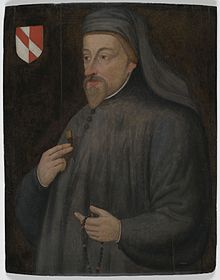
Geoffrey Chaucer
(1)
Poem topics: , Print This Poem , Rhyme Scheme
Submit Spanish Translation
Submit German Translation
Submit French Translation
Previous Poem
Troilus And Criseyde: Book 03 Poem>>
About Troilus And Criseyde: Book 01
Troilus And Criseyde: Book 01 is a poem by Geoffrey Chaucer. This page includes the poem text, poet information, related topics, comments, and similar poems.
Write your comment about Troilus And Criseyde: Book 01 poem by Geoffrey Chaucer
Best Poems of Geoffrey Chaucer