The Parliament Of Fowles Poem Rhyme Scheme and Analysis
Rhyme Scheme: A B CDCDDDD EFEFFFF FEFEECC GFHFFEE CI IIEE BABAAFF AEAEEEE EA AAJJ AEAKKJJ EAEAAEE IAIAAKK CECEEA EAEAAEE EEEEKEE ECECCCC KCKCCE EEEEEEE K CECEEAA AKAKKE EKEKKJ KEKEEAA LEKEEEE AKAKKAA IAIAAE CECEECC E| Here begynyth the Parlement of Foulys | A |
| - | |
| THE PROEM | B |
| - | |
| The lyf so short the craft so long to lerne | C |
| Thassay so hard so sharp the conquering | D |
| The dredful Ioy that alwey slit so yerne | C |
| Al this mene I by love that my feling | D |
| Astonyeth with his wonderful worching | D |
| So sore y wis that whan I on him thinke | D |
| Nat wot I wel wher that I wake or winke | D |
| - | |
| For al be that I knowe nat love in dede | E |
| Ne wot how that he quyteth folk hir hyre | F |
| Yet happeth me ful ofte in bokes rede | E |
| Of his miracles and his cruel yre | F |
| Ther rede I wel he wol be lord and syre | F |
| I dar not seyn his strokes been so sore | F |
| But God save swich a lord I can no more | F |
| - | |
| Of usage what for luste what for lore | F |
| On bokes rede I ofte as I yow tolde | E |
| But wherfor that I speke al this not yore | F |
| Agon hit happed me for to beholde | E |
| Upon a boke was write with lettres olde | E |
| And ther upon a certeyn thing to lerne | C |
| The longe day ful faste I radde and yerne | C |
| - | |
| For out of olde feldes as men seith | G |
| Cometh al this newe corn fro yeer to yere | F |
| And out of olde bokes in good feith | H |
| Cometh al this newe science that men lere | F |
| But now to purpos as of this matere | F |
| To rede forth hit gan me so delyte | E |
| That al the day me thoughte but a lyte | E |
| - | |
| This book of which I make of mencioun | C |
| Entitled was al thus as I shal telle | I |
| Tullius of the dreme of Scipioun ' | - |
| Chapitres seven hit hadde of hevene and helle | I |
| And erthe and soules that therinnr dwelle | I |
| Of whiche as shortly as I can hit trete | E |
| Of his sentence I wol you seyn the grete | E |
| - | |
| First telleth hit whan Scipion was come | B |
| In Afrik how he mette Massinisse | A |
| That him for Ioye in armes hath y nome | B |
| Than telleth hit hir speche and al the blisse | A |
| That was betwix hem til the day gan misse | A |
| And how his auncestre African so dere | F |
| Gan in his slepe that night to him appere | F |
| - | |
| Than telleth hit that fro a sterry place | A |
| How African hath him Cartage shewed | E |
| And warned him before of al his grace | A |
| And seyde him what man lered other lewed | E |
| That loveth comun profit wel y thewed | E |
| He shal unto a blisful place wende | E |
| Ther as Ioye is that last withouten ende | E |
| - | |
| Than asked he if folk that heer be dede | E |
| Have lyf and dwelling in another place | A |
| And African seyde ye withoute drede ' | - |
| And that our present worldes lyves space | A |
| Nis but a maner deth what wey we trace | A |
| And rightful folk shal go after they dye | J |
| To heven and shewed him the galaxye | J |
| - | |
| Than shewed he him the litel erthe that heer is | A |
| At regard of the hevenes quantite | E |
| And after shewed he him the nyne speres | A |
| And after that the melodye herde he | K |
| That cometh of thilke speres thryes three | K |
| That welle is of musyk and melodye | J |
| In this world heer and cause of armonye | J |
| - | |
| Than bad he him sin erthe was so lyte | E |
| And ful of torment and of harde grace | A |
| That he ne shulde him in the world delyte | E |
| Than tolde he him in certeyn yeres space | A |
| That every sterre shulde come into his place | A |
| Ther hit was first and al shulde out of minde | E |
| That in this worlde is don of al mankinde | E |
| - | |
| Than prayde him Scipioun to telle him al | I |
| The wey to come un to that hevene blisse | A |
| And he seyde know thy self first immortal | I |
| And loke ay besily thou werke and wisse | A |
| To comun profit and thou shalt nat misse | A |
| To comen swiftly to that place dere | K |
| That ful of blisse is and of soules clere | K |
| - | |
| But brekers of the lawe soth to seyne | C |
| And lecherous folk after that they be dede | E |
| Shul alwey whirle aboute therthe in peyne | C |
| Til many a world be passed out of drede | E |
| And than for yeven alle hir wikked dede | E |
| Than shul they come unto that blisful place | A |
| To which to comen god thee sende his grace ' | - |
| - | |
| The day gan failen and the derke night | E |
| That reveth bestes from her besinesse | A |
| Berafte me my book for lakke of light | E |
| And to my bedde I gan me for to dresse | A |
| Fulfild of thought and besy hevinesse | A |
| For bothe I hadde thing which that I nolde | E |
| And eek I ne hadde that thing that I wolde | E |
| - | |
| But fynally my spirit at the laste | E |
| For wery of my labour al the day | E |
| Took rest that made me to slepe faste | E |
| And in my slepe I mette as I lay | E |
| How African right in the selfe aray | K |
| That Scipioun him saw before that tyde | E |
| Was comen and stood right at my bedes syde | E |
| - | |
| The wery hunter slepinge in his bed | E |
| To wode ayein his minde goth anoon | C |
| The Iuge dremeth how his plees ben sped | E |
| The carter dremeth how his cartes goon | C |
| The riche of gold the knight fight with his foon | C |
| The seke met he drinketh of the tonne | C |
| The lover met he hath his lady wonne | C |
| - | |
| Can I nat seyn if that the cause were | K |
| For I had red of African beforn | C |
| That made me to mete that he stood there | K |
| But thus seyde he thou hast thee so wel born | C |
| In loking of myn olde book to torn | C |
| Of which Macrobie roghte nat a lyte | E |
| That somdel of thy labour wolde I quyte ' | - |
| - | |
| Citherea thou blisful lady swete | E |
| That with thy fyr brand dauntest whom thee lest | E |
| And madest me this sweven for to mete | E |
| Be thou my help in this for thou mayst best | E |
| As wisly as I saw thee north north west | E |
| When I began my sweven for to wryte | E |
| So yif me might to ryme and endyte | E |
| - | |
| THE STORY | K |
| - | |
| This forseid African me hente anoon | C |
| And forth with him unto a gate broghte | E |
| Right of a parke walled of grene stoon | C |
| And over the gate with lettres large y wroghte | E |
| Ther weren vers y writen as me thoghte | E |
| On eyther halfe of ful gret difference | A |
| Of which I shal yow sey the pleyn sentence | A |
| - | |
| Thorgh me men goon in to that blisful place | A |
| Of hertes hele and dedly woundes cure | K |
| Thorgh me men goon unto the welle of Grace | A |
| Ther grene and lusty May shal ever endure | K |
| This is the wey to al good aventure | K |
| Be glad thou reder and thy sorwe of caste | E |
| Al open am I passe in and hy the faste ' | - |
| - | |
| Thorgh me men goon ' than spak that other syde | E |
| Unto the mortal strokes of the spere | K |
| Of which Disdayn and Daunger is the gyde | E |
| Ther tre shal never fruyt ne leves bere | K |
| This streem yow ledeth to the sorwful were | K |
| Ther as the fish in prison is al drye | J |
| Theschewing is only the remedye ' | - |
| - | |
| Thise vers of gold and blak y writen were | K |
| Of whiche I gan a stounde to beholde | E |
| For with that oon encresed ay my fere | K |
| And with that other gan myn herte bolde | E |
| That oon me hette that other did me colde | E |
| No wit had I for errour for to chese | A |
| To entre or flee or me to save or lese | A |
| - | |
| Right as betwixen adamauntes two | L |
| Of even might a pece of iren y set | E |
| That hath no might to meve to ne fro | K |
| For what that on may hale that other let | E |
| Ferde I that niste whether me was bet | E |
| To entre or leve til African my gyde | E |
| Me hente and shoof in at the gates wyde | E |
| - | |
| And seyde hit stondeth writen in thy face | A |
| Thyn errour though thou telle it not to me | K |
| But dred the nat to come in to this place | A |
| For this wryting is no thing ment by thee | K |
| Ne by noon but he Loves servant be | K |
| For thou of love hast lost thy tast I gesse | A |
| As seek man hath of swete and bitternesse | A |
| - | |
| But natheles al though that thou be dulle | I |
| Yit that thou canst not do yit mayst thou see | A |
| For many a man that may not stonde a pulle | I |
| Yit lyketh him at the wrastling for to be | A |
| And demeth yit wher he do bet or he | A |
| And if thou haddest cunning for tendyte | E |
| I shal thee shewen mater of to wryte ' | - |
| - | |
| With that my hond in his he took anoon | C |
| Of which I comfort caughte and went in faste | E |
| But lord so I was glad and wel begoon | C |
| For over al wher that I myn eyen caste | E |
| Were trees clad with leves that ay shal laste | E |
| Eche in his kinde of colour fresh and grene | C |
| As emeraude that Ioye was to sene | C |
| - | |
| The bilder ook and eek the hardy | E |
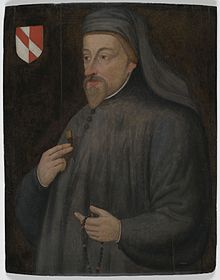
Geoffrey Chaucer
(1)
Poem topics: , Print This Poem , Rhyme Scheme
Submit Spanish Translation
Submit German Translation
Submit French Translation
About The Parliament Of Fowles
The Parliament Of Fowles is a poem by Geoffrey Chaucer. This page includes the poem text, poet information, related topics, comments, and similar poems.
Write your comment about The Parliament Of Fowles poem by Geoffrey Chaucer
Best Poems of Geoffrey Chaucer