The Canterbury Tales; The Phisiciens Tale Poem Rhyme Scheme and Analysis
Rhyme Scheme: A B B CCCCD DACCC EEAAF FAAGG CCCCA AC HH AAEEE CAAAC FFCAC CEIFF CCCCC CHCCC AAHHC CCCCC DDCCC CAACC JJAAF FAAFF CCCIC CKKHH AACCC CAACC AAFFG GFFCC FF AAA AAA F AAAAC AFFFF AACCA ACCCC GGCCG GAAEE GGCCG GCCC CCG G GGGCC EGEED DHH G E| Part | A |
| - | |
| - | |
| THE PHISICIENS TALE | B |
| - | |
| Heere folweth the Phisiciens tale | B |
| - | |
| Ther was as telleth Titus Livius | C |
| A knyght that called was Virginius | C |
| Fulfild of honour and of worthynesse | C |
| And strong of freendes and of greet richesse | C |
| This knyght a doghter hadde by his wyf | D |
| - | |
| No children hadde he mo in al his lyf | D |
| Fair was this mayde in excellent beautee | A |
| Aboven every wight that man may see | C |
| For Nature hath with sovereyn diligence | C |
| Yformed hir in so greet excellence | C |
| - | |
| As though she wolde seyn 'Lo I Nature | E |
| Thus kan I forme and peynte a creature | E |
| Whan that me list who kan me countrefete | A |
| Pigmalion noght though he ay forge and bete | A |
| Or grave or peynte for I dar wel seyn | F |
| - | |
| Apelles Zanzis sholde werche in veyn | F |
| Outher to grave or peynte or forge or bete | A |
| If they presumed me to countrefete | A |
| For He that is the former principal | G |
| Hath maked me his vicaire general | G |
| - | |
| To forme and peynten erthely creaturis | C |
| Right as me list and ech thyng in my cure is | C |
| Under the Moone that may wane and waxe | C |
| And for my werk right nothyng wol I axe | C |
| My lord and I been ful of oon accord | A |
| - | |
| I made hir to the worship of my lord | A |
| So do I alle myne othere creatures | C |
| What colour that they han or what figures ' | - |
| Thus semeth me that Nature wolde seye | H |
| This mayde of age twelf yeer was and tweye | H |
| - | |
| Is which that Nature hadde swich delit | A |
| For right as she kan peynte a lilie whit | A |
| And reed a rose right with swich peynture | E |
| She peynted hath this noble creature | E |
| Er she were born upon hir lymes fre | E |
| - | |
| Where as by right swiche colours sholde be | C |
| And Phebus dyed hath hir treses grete | A |
| Lyk to the stremes of his burned heete | A |
| And if that excellent was hir beautee | A |
| A thousand foold moore vertuous was she | C |
| - | |
| In hire ne lakked no condicioun | F |
| That is to preyse as by discrecioun | F |
| As wel in goost as body chast was she | C |
| For which she floured in virginitee | A |
| With alle humylitee and abstinence | C |
| - | |
| With alle attemperaunce and pacience | C |
| With mesure eek of beryng and array | E |
| Discreet she was in answeryng alway | I |
| Though she were wise Pallas dar I seyn | F |
| Hir facound eek ful wommanly and pleyn | F |
| - | |
| No countrefeted termes hadde she | C |
| To seme wys but after hir degree | C |
| She spak and alle hir wordes moore and lesse | C |
| Sownynge in vertu and in gentillesse | C |
| Shamefast she was in maydens shamefastnesse | C |
| - | |
| Constant in herte and evere in bisynesse | C |
| To dryve hir out of ydel slogardye | H |
| Bacus hadde of hire mouth right no maistrie | C |
| For wyn and youthe dooth Venus encresse | C |
| As man in fyr wol casten oille or greesse | C |
| - | |
| And of hir owene vertu unconstreyned | A |
| She hath ful ofte tyme syk hir feyned | A |
| For that she wolde fleen the compaignye | H |
| Wher likly was to treten of folye | H |
| As is at feestes revels and at daunces | C |
| - | |
| That been occasions of daliaunces | C |
| Swich thynges maken children for to be | C |
| To soone rype and boold as men may se | C |
| Which is ful perilous and hath been yoore | C |
| For al to soone may they lerne loore | C |
| - | |
| Of booldnesse whan she woxen is a wyf | D |
| And ye maistresses in youre olde lyf | D |
| That lordes doghtres han in governaunce | C |
| Ne taketh of my wordes no displesaunce | C |
| Thenketh that ye been set in governynges | C |
| - | |
| Of lordes doghtres oonly for two thynges | C |
| Outher for ye han kept youre honestee | A |
| Or elles ye han falle in freletee | A |
| And knowen wel ynough the olde daunce | C |
| And han forsaken fully swich meschaunce | C |
| - | |
| For everemo therfore for Cristes sake | J |
| To teche hem vertu looke that ye ne slake | J |
| A theef of venysoun that hath forlaft | A |
| His likerousnesse and al his olde craft | A |
| Kan kepe a forest best of any man | F |
| - | |
| Now kepeth wel for if ye wole ye kan | F |
| Looke wel that ye unto no vice assente | A |
| Lest ye be dampned for your wikke entente | A |
| For who so dooth a traitour is certeyn | F |
| And taketh kepe of that that I shal seyn | F |
| - | |
| Of alle tresons sovereyn pestilence | C |
| Is whan a wight bitrayseth innocence | C |
| Ye fadres and ye moodres eek also | C |
| Though ye han children be it oon or two | I |
| Youre is the charge of al hir surveiaunce | C |
| - | |
| Whil that they been under youre governaunce | C |
| Beth war if by ensample of youre lyvynge | K |
| Or by youre necligence in chastisynge | K |
| That they perisse for I dar wel seye | H |
| If that they doon ye shul it deere abeye | H |
| - | |
| Under a shepherde softe and necligent | A |
| The wolf hath many a sheep and lamb to rent | A |
| Suffyseth oon ensample now as here | C |
| For I moot turne agayn to my mateere | C |
| This mayde of which I wol this tale expresse | C |
| - | |
| So kepte hirself hir neded no maistresse | C |
| For in hir lyvyng maydens myghten rede | A |
| As in a book every good word or dede | A |
| That longeth to a mayden vertuous | C |
| She was so prudent and so bountevous | C |
| - | |
| For which the fame out sprong on every syde | A |
| Bothe of hir beautee and hir bountee wyde | A |
| That thurgh that land they preised hire echone | F |
| That loved vertu save encye allone | F |
| That sory is of oother mennes wele | G |
| - | |
| And glad is of his sorwe and his unheele | G |
| The doctour maketh this descripcioun | F |
| This mayde upon a day wente in the toun | F |
| Toward a temple with hir mooder deere | C |
| As is of yonge maydens the namere | C |
| - | |
| Now was ther thanne a justice in that toun | F |
| That governour was of that regioun | F |
| - | |
| And so bifel this juge hise eyen caste | A |
| Upon this mayde avysynge hym ful faste | A |
| As she cam forby ther as this juge stood | A |
| - | |
| Anon his herte chaunged and his mood | A |
| So was he caught with beautee of this mayde | A |
| And to hymself ful pryvely he sayde | A |
| 'This mayde shal be myn for any man ' | - |
| Anon the feend into his herte ran | F |
| - | |
| And taughte hym sodeynly that he by slyghte | A |
| The mayden to his purpos wynne myghte | A |
| For certes by no force ne by no meede | A |
| Hym thoughte he was nat able for to speede | A |
| For she was strong of freends and eek she | C |
| - | |
| Confermed was in swich soverayn bountee | A |
| That wel he wiste he myghte hir nevere wynne | F |
| As for to maken hir with hir body synne | F |
| For which by greet deliberacioun | F |
| He sente after a cherl was in the toun | F |
| - | |
| Which that he knew for subtil and for boold | A |
| This Juge unto this cherl his tale hath toold | A |
| In secree wise and made hym to ensure | C |
| He sholde telle it to no creature | C |
| And if he dide he sholde lese his heed | A |
| - | |
| Whan that assented was this cursed reed | A |
| Glad was this juge and maked him greet cheere | C |
| And yaf hym yiftes preciouse and deere | C |
| Whan shapen was al hir conspiracie | C |
| Fro point to point how that his lecherie | C |
| - | |
| Parfourned sholde been ful subtilly | G |
| As ye shul heere it after openly | G |
| Hoom gooth the cherl that highte Claudius | C |
| This false juge that highte Apius | C |
| So was his name for this is no fable | G |
| - | |
| But knowen for historial thyng notable | G |
| The sentence of it sooth is out of doute | A |
| This false juge gooth now faste aboute | A |
| To hasten his delit al that he may | E |
| And so bifel soone after on a day | E |
| - | |
| This false juge as telleth us the storie | G |
| As he was wont sat in his consistorie | G |
| And yaf his doomes upon sondry cas | C |
| This false cherl cam forth a ful greet pas | C |
| And seyde 'Lord if that it be youre wille | G |
| - | |
| As dooth me right upon this pitous bille | G |
| In which I pleyne upon Virginius | C |
| And if that he wol seyn it is nat thus | C |
| I wol it preeve and fynde good witnesse | C |
| That sooth is that my bille wol expresse ' | - |
| - | |
| The juge answerde 'Of this in his absence | C |
| I may nat yeve diffynytyve sentence | C |
| Lat do hym calle and I wol gladly heere | G |
| Thou shalt have al right and no wrong heere ' | - |
| Virginius cam to wite the juges wille | G |
| - | |
| And right anon was rad this cursed bille | G |
| The sentence of it was as ye shul heere | G |
| 'To yow my lord Sire Apius so deere | G |
| Sheweth youre povre servant Claudius | C |
| How that a knyght called Virginius | C |
| - | |
| Agayns the lawe agayn al equitee | E |
| Holdeth expres agayn the wyl of me | G |
| My servant which that is my thral by right | E |
| Which fro myn hous was stole upon a nyght | E |
| Whil that she was ful yong this wol I preeve | D |
| - | |
| By witnesse lord so that it nat yow greeve | D |
| She nys his doghter nat what so he seye | H |
| Wherfore to yow my lord the Juge I preye | H |
| Yeld me my thral if that it be youre wille ' | - |
| Lo this was al the sentence of his bille | G |
| - | |
| Virginius gan upon the cherl biholde | E |
| But h | - |
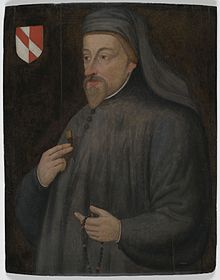
Geoffrey Chaucer
(1)
Poem topics: , Print This Poem , Rhyme Scheme
Submit Spanish Translation
Submit German Translation
Submit French Translation
About The Canterbury Tales; The Phisiciens Tale
The Canterbury Tales; The Phisiciens Tale is a poem by Geoffrey Chaucer. This page includes the poem text, poet information, related topics, comments, and similar poems.
Write your comment about The Canterbury Tales; The Phisiciens Tale poem by Geoffrey Chaucer
Best Poems of Geoffrey Chaucer