A Hymn Of Heavenly Beauty Poem Rhyme Scheme and Analysis
Rhyme Scheme: ABABBCC CDCDDEE CFCGGEE HIHIIJK CLCLLCC CBCBBMM NCNCCOO IBIBBCC PEPEEBB ECECCBB BCBCCQQ BEBEICC RBRBBCC BCBCCCC SNSNGBB CBCBBCC CBCBBCC RTUUUVV CWCWWOO UCUCCBB BCBICCC CCCICBB BCBCCCC VCVCCBB UNUXNCC CCCN| Rapt with the rage of mine own ravish'd thought | A |
| Through contemplation of those goodly sights | B |
| And glorious images in heaven wrought | A |
| Whose wondrous beauty breathing sweet delights | B |
| Do kindle love in high conceited sprights | B |
| I fain to tell the things that I behold | C |
| But feel my wits to fail and tongue to fold | C |
| - | |
| Vouchsafe then O thou most Almighty Spright | C |
| From whom all gifts of wit and knowledge flow | D |
| To shed into my breast some sparkling light | C |
| Of thine eternal truth that I may show | D |
| Some little beams to mortal eyes below | D |
| Of that immortal beauty there with thee | E |
| Which in my weak distraughted mind I see | E |
| - | |
| That with the glory of so goodly sight | C |
| The hearts of men which fondly here admire | F |
| Fair seeming shews and feed on vain delight | C |
| Transported with celestial desire | G |
| Of those fair forms may lift themselves up higher | G |
| And learn to love with zealous humble duty | E |
| Th' eternal fountain of that heavenly beauty | E |
| - | |
| Beginning then below with th' easy view | H |
| Of this base world subject to fleshly eye | I |
| From thence to mount aloft by order due | H |
| To contemplation of th' immortal sky | I |
| Of the soare falcon so I learn to fly | I |
| That flags awhile her fluttering wings beneath | J |
| Till she herself for stronger flight can breathe | K |
| - | |
| Then look who list thy gazeful eyes to feed | C |
| With sight of that is fair look on the frame | L |
| Of this wide universe and therein reed | C |
| The endless kinds of creatures which by name | L |
| Thou canst not count much less their natures aim | L |
| All which are made with wondrous wise respect | C |
| And all with admirable beauty deckt | C |
| - | |
| First th' earth on adamantine pillars founded | C |
| Amid the sea engirt with brazen bands | B |
| Then th' air still flitting but yet firmly bounded | C |
| On every side with piles of flaming brands | B |
| Never consum'd nor quench'd with mortal hands | B |
| And last that mighty shining crystal wall | M |
| Wherewith he hath encompassed this All | M |
| - | |
| By view whereof it plainly may appear | N |
| That still as every thing doth upward tend | C |
| And further is from earth so still more clear | N |
| And fair it grows till to his perfect end | C |
| Of purest beauty it at last ascend | C |
| Air more than water fire much more than air | O |
| And heaven than fire appears more pure and fair | O |
| - | |
| Look thou no further but affix thine eye | I |
| On that bright shiny round still moving mass | B |
| The house of blessed gods which men call sky | I |
| All sow'd with glist'ring stars more thick than grass | B |
| Whereof each other doth in brightness pass | B |
| But those two most which ruling night and day | C |
| As king and queen the heavens' empire sway | C |
| - | |
| And tell me then what hast thou ever seen | P |
| That to their beauty may compared be | E |
| Or can the sight that is most sharp and keen | P |
| Endure their captain's flaming head to see | E |
| How much less those much higher in degree | E |
| And so much fairer and much more than these | B |
| As these are fairer than the land and seas | B |
| - | |
| For far above these heavens which here we see | E |
| Be others far exceeding these in light | C |
| Not bounded not corrupt as these same be | E |
| But infinite in largeness and in height | C |
| Unmoving uncorrupt and spotless bright | C |
| That need no sun t' illuminate their spheres | B |
| But their own native light far passing theirs | B |
| - | |
| And as these heavens still by degrees arise | B |
| Until they come to their first Mover's bound | C |
| That in his mighty compass doth comprise | B |
| And carry all the rest with him around | C |
| So those likewise do by degrees redound | C |
| And rise more fair till they at last arrive | Q |
| To the most fair whereto they all do strive | Q |
| - | |
| Fair is the heaven where happy souls have place | B |
| In full enjoyment of felicity | E |
| Whence they do still behold the glorious face | B |
| Of the divine eternal Majesty | E |
| More fair is that where those Ideas on high | I |
| Enranged be which Plato so admired | C |
| And pure Intelligences from God inspired | C |
| - | |
| Yet fairer is that heaven in which do reign | R |
| The sovereign Powers and mighty Potentates | B |
| Which in their high protections do contain | R |
| All mortal princes and imperial states | B |
| And fairer yet whereas the royal Seats | B |
| And heavenly Dominations are set | C |
| From whom all earthly governance is fet | C |
| - | |
| Yet far more fair be those bright Cherubins | B |
| Which all with golden wings are overdight | C |
| And those eternal burning Seraphins | B |
| Which from their faces dart out fiery light | C |
| Yet fairer than they both and much more bright | C |
| Be th' Angels and Archangels which attend | C |
| On God's own person without rest or end | C |
| - | |
| These thus in fair each other far excelling | S |
| As to the highest they approach more near | N |
| Yet is that highest far beyond all telling | S |
| Fairer than all the rest which there appear | N |
| Though all their beauties join'd together were | G |
| How then can mortal tongue hope to express | B |
| The image of such endless perfectness | B |
| - | |
| Cease then my tongue and lend unto my mind | C |
| Leave to bethink how great that beauty is | B |
| Whose utmost parts so beautiful I find | C |
| How much more those essential parts of his | B |
| His truth his love his wisdom and his bliss | B |
| His grace his doom his mercy and his might | C |
| By which he lends us of himself a sight | C |
| - | |
| Those unto all he daily doth display | C |
| And shew himself in th' image of his grace | B |
| As in a looking glass through which he may | C |
| Be seen of all his creatures vile and base | B |
| That are unable else to see his face | B |
| His glorious face which glistereth else so bright | C |
| That th' Angels selves cannot endure his sight | C |
| - | |
| But we frail wights whose sight cannot sustain | R |
| The sun's bright beams when he on us doth shine | T |
| But that their points rebutted back again | U |
| Are dull'd how can we see with feeble eyne | U |
| The glory of that Majesty Divine | U |
| In sight of whom both sun and moon are dark | V |
| Compared to his least resplendent spark | V |
| - | |
| The means therefore which unto us is lent | C |
| Him to behold is on his works to look | W |
| Which he hath made in beauty excellent | C |
| And in the same as in a brazen book | W |
| To read enregister'd in every nook | W |
| His goodness which his beauty doth declare | O |
| For all that's good is beautiful and fair | O |
| - | |
| Thence gathering plumes of perfect speculation | U |
| To imp the wings of thy high flying mind | C |
| Mount up aloft through heavenly contemplation | U |
| From this dark world whose damps the soul so blind | C |
| And like the native brood of eagles' kind | C |
| On that bright Sun of Glory fix thine eyes | B |
| Clear'd from gross mists of frail infirmities | B |
| - | |
| Humbled with fear and awful reverence | B |
| Before the footstool of his majesty | C |
| Throw thyself down with trembling innocence | B |
| Ne dare look up with corruptible eye | I |
| On the dread face of that great Deity | C |
| For fear lest if he chance to look on thee | C |
| Thou turn to nought and quite confounded be | C |
| - | |
| But lowly fall before his mercy seat | C |
| Close covered with the Lamb's integrity | C |
| From the just wrath of his avengeful threat | C |
| That sits upon the righteous throne on high | I |
| His throne is built upon eternity | C |
| More firm and durable than steel or brass | B |
| Or the hard diamond which them both doth pass | B |
| - | |
| His sceptre is the rod of righteousness | B |
| With which he bruiseth all his foes to dust | C |
| And the great Dragon strongly doth repress | B |
| Under the rigour of his judgement just | C |
| His seat is truth to which the faithful trust | C |
| From whence proceed her beams so pure and bright | C |
| That all about him sheddeth glorious light | C |
| - | |
| Light far exceeding that bright blazing spark | V |
| Which darted is from Titan's flaming head | C |
| That with his beams enlumineth the dark | V |
| And dampish air whereby all things are read | C |
| Whose nature yet so much is marvelled | C |
| Of mortal wits that it doth much amaze | B |
| The greatest wizards which thereon do gaze | B |
| - | |
| But that immortal light which there doth shine | U |
| Is many thousand times more bright more clear | N |
| More excellent more glorious more divine | U |
| Through which to God all mortal actions here | X |
| And even the thoughts of men do plain appear | N |
| For from th' eternal truth it doth proceed | C |
| Through heavenly virtue which her beams do breed | C |
| - | |
| With the great glory of that wondrous light | C |
| His throne is all encompassed around | C |
| And hid in his own brightness from the sight | C |
| Of all that look ther | N |
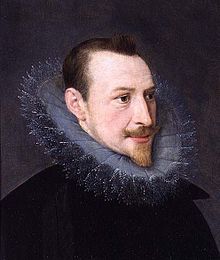
Edmund Spenser
(1)
Poem topics: , Print This Poem , Rhyme Scheme
Submit Spanish Translation
Submit German Translation
Submit French Translation
About A Hymn Of Heavenly Beauty
A Hymn Of Heavenly Beauty is a poem by Edmund Spenser. This page includes the poem text, poet information, related topics, comments, and similar poems.
Write your comment about A Hymn Of Heavenly Beauty poem by Edmund Spenser
Best Poems of Edmund Spenser