Sir William Gomm: Sonnets Poem Rhyme Scheme and Analysis
Rhyme Scheme: ABCCBBCCBDDEFFE A GHHGGHHGIIJKKJ| I | A |
| AT threescore years and five aroused anew | B |
| To rule in India forth a soldier went | C |
| On whose bright fronted youth fierce war had spent | C |
| Its iron stress of storm till glory grew | B |
| Full as the red sun waned on Waterloo | B |
| Landing he met the word from England sent | C |
| Which bade him yield up rule and he content | C |
| Resigned it as a mightier warrior s due | B |
| And wrote as one rejoicing to record | D |
| That from the first his royal heart was lord | D |
| Of its own pride or pain that thought was none | E |
| Therein save this that in her perilous strait | F |
| England whose womb brings forth her sons so great | F |
| Should choose to serve her first her mightiest son | E |
| - | |
| II | A |
| - | |
| Glory beyond all flight of warlike fame | G |
| Go with the warrior s memory who preferred | H |
| To praise of men whereby men s hearts are stirred | H |
| And acclamation of his own proud name | G |
| With blare of trumpet blasts and sound and flame | G |
| Of pageant honour and the titular word | H |
| That only wins men worship of the herd | H |
| His country s sovereign good who overcame | G |
| Pride wrath and hope of all high chance on earth | I |
| For this land s love that gave his great heart birth | I |
| O nursling of the sea winds and the sea | J |
| Immortal England goddess ocean born | K |
| What shall thy children fear what strengths not scorn | K |
| While children of such mould are born to thee | J |
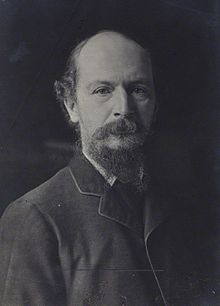
Algernon Charles Swinburne
(1)
Poem topics: , Print This Poem , Rhyme Scheme
Submit Spanish Translation
Submit German Translation
Submit French Translation
About Sir William Gomm: Sonnets
Sir William Gomm: Sonnets is a poem by Algernon Charles Swinburne. This page includes the poem text, poet information, related topics, comments, and similar poems.
Write your comment about Sir William Gomm: Sonnets poem by Algernon Charles Swinburne
Best Poems of Algernon Charles Swinburne